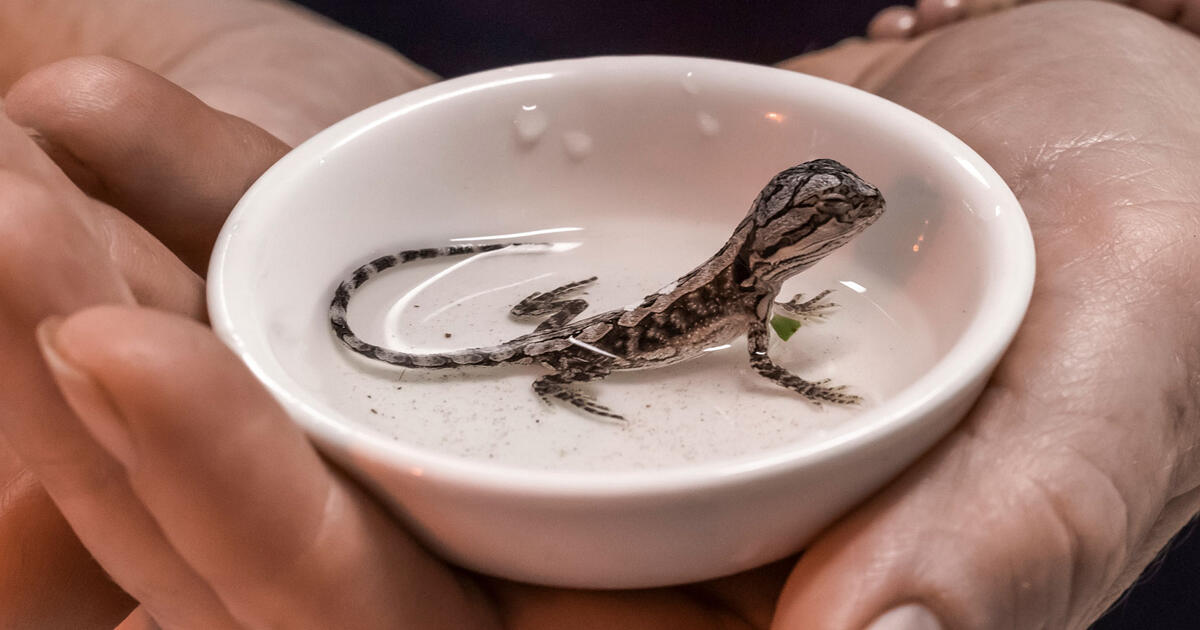
How Long Do Bearded Dragons Live? Your Complete Guide to Bearded Dragon Lifespan & Care. Bearded dragons (Pogona vitticeps) are one of the most popular pet reptiles in the world—and for good reason. They’re docile, fascinating to watch, and relatively easy to care for compared to other lizards. But one of the biggest questions new owners ask is: “How long do bearded dragons live?”
The short answer? With proper care, captive bearded dragons typically live 8–12 years, and many reach 15 years or more. Some exceptional dragons have even lived into their late teens or early 20s. In the wild, however, their lifespan is much shorter—usually just 5–8 years.
Bearded Dragon
-
Hypo Bold Citrus Bearded Dragons
Price range: $99.99 through $229.00Select options This product has multiple variants. The options may be chosen on the product page -
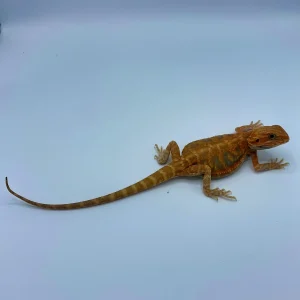
Super Hypo Red Translucent Bearded Dragon
$199.99Select options This product has multiple variants. The options may be chosen on the product page -
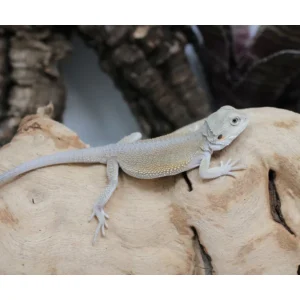
Normal Witblits Bearded Dragon
$269.00Select options This product has multiple variants. The options may be chosen on the product page -
-
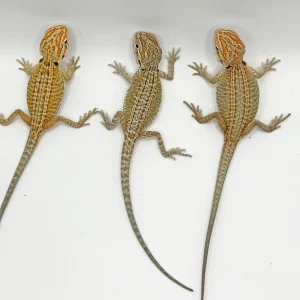
Hypo Genetic Stripe Bearded Dragons
Price range: $79.00 through $185.00Select options This product has multiple variants. The options may be chosen on the product page
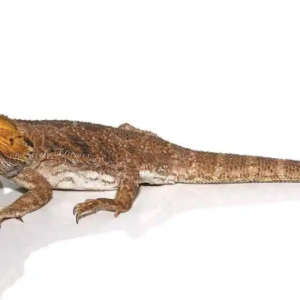
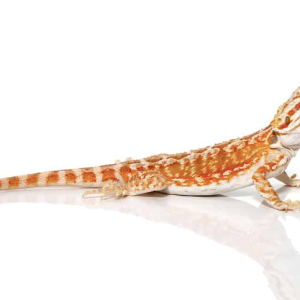
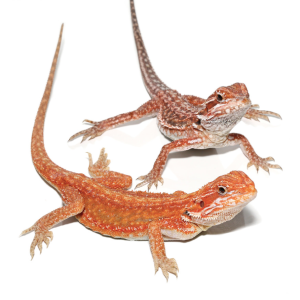
Bearded Dragon Lifespan: Wild vs. Captivity
Wild bearded dragons face constant threats—predators, food scarcity, extreme weather, and disease. Most only live 5–8 years (sometimes up to 10).
Captive bearded dragons thrive in controlled environments with consistent food, heat, UVB lighting, and veterinary care. Their average lifespan jumps to:
- 8–12 years (most common with good care)
- 12–15+ years (excellent husbandry)
- Up to 18–21 years (record holders with exceptional care)
The oldest verified bearded dragon on record lived to 18 years and 237 days. With today’s improved husbandry knowledge, many owners are seeing their dragons comfortably reach their mid-to-late teens.
What Affects How Long Your Bearded Dragon Lives?
Lifespan isn’t random—it’s almost entirely determined by husbandry. Here are the biggest factors:
- Diet & Nutrition Babies need 80% insects + 20% veggies. Adults flip to 20% insects + 80% greens. Gut-load insects, dust with calcium and multivitamins, and avoid high-fat or sugary foods. Poor diet leads to metabolic bone disease (MBD), obesity, and early death.
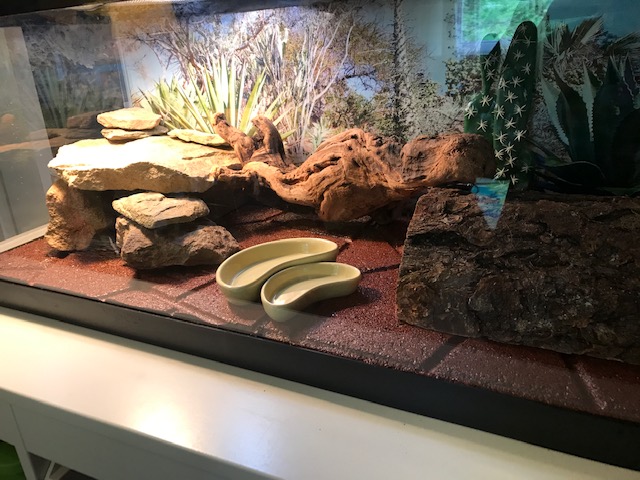
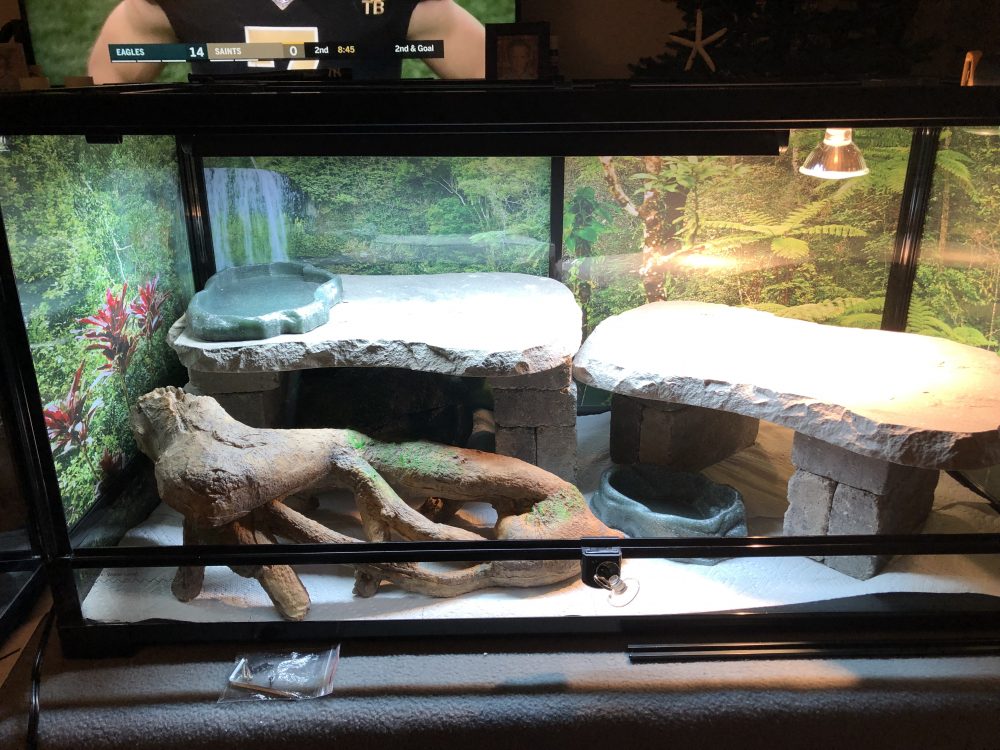
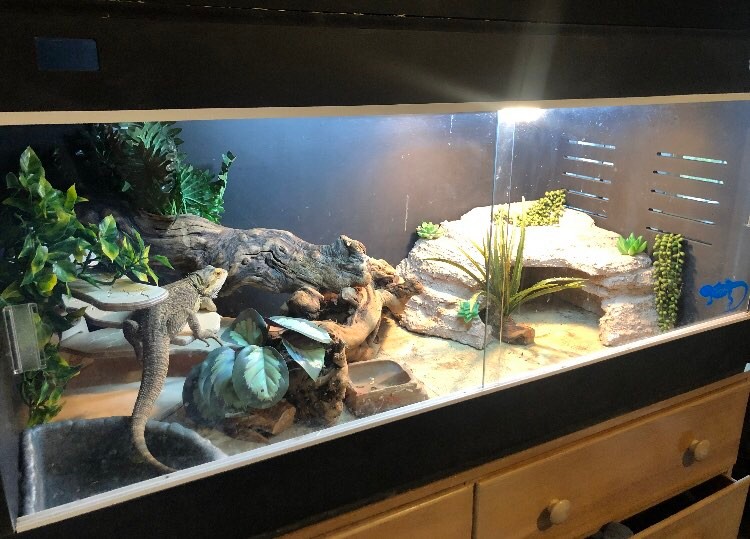
- Enclosure Size & Setup Minimum 4x2x2 ft (120-gallon) for adults. Bigger is always better. Proper substrate, hides, basking spots, and climbing branches reduce stress and encourage natural behaviors.
- Temperature & Lighting
- Basking spot: 95–110°F
- Cool side: 75–85°F
- Nighttime drop: 65–75°F
- High-quality UVB lighting (10–12 hours/day) is non-negotiable for vitamin D3 production and calcium absorption.
- Humidity Keep it low (30–40%). High humidity causes respiratory infections and scale rot.
- Veterinary Care & Health Monitoring Annual exotic vet visits + fecal tests catch parasites and issues early. Spaying females can prevent egg-binding complications later in life.
- Stress & Handling Over-handling, poor tank mates, or constant disturbances shorten lifespan. Give your dragon plenty of “me time.”
Baby bearded dragons grow incredibly fast in their first year but are more fragile. Proper care during this stage sets them up for a long life.