
What Do Bearded Dragons Eat? The Ultimate 2026 Bearded Dragon Diet Guide. Bearded dragon salad 🥗 Updated what to feed your dragon chart based on healthy plate nutrition. Food items should be dusted with Calcium with D3 and reptile vitamins.
Bearded dragons (Pogona vitticeps) are one of the most popular pet reptiles for good reason—they’re hardy, interactive, and relatively easy to care for once you understand their needs. One of the biggest questions new owners ask is: what do bearded dragons eat?
Getting the diet right is crucial for preventing obesity, metabolic bone disease, and other health issues. Bearded dragons are omnivores, meaning they eat both insects and plant matter, but their nutritional requirements change dramatically as they grow from hatchlings to adults.
In this complete bearded dragon diet guide, you’ll learn exactly what to feed your dragon by age, the best insects and vegetables, safe fruits, essential supplements, foods to avoid, and pro feeding tips. Whether you’re a first-time owner or an experienced keeper, this guide will help keep your bearded dragon healthy, happy, and thriving in 2026 and beyond.
Bearded Dragon
-
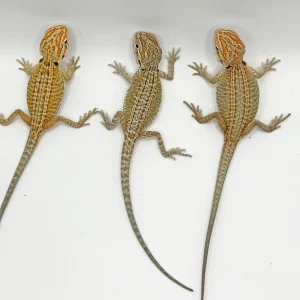
Hypo Genetic Stripe Bearded Dragons
Price range: $79.00 through $185.00Select options This product has multiple variants. The options may be chosen on the product page -
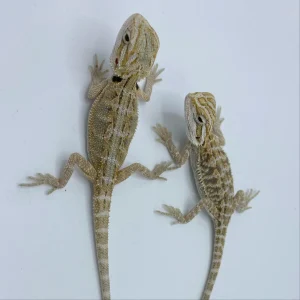
Leatherback Witblits Bearded Dragon
$269.00Select options This product has multiple variants. The options may be chosen on the product page -
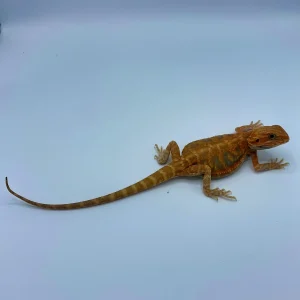
Super Hypo Red Translucent Bearded Dragon
$199.99Select options This product has multiple variants. The options may be chosen on the product page -
Hypo Snow Bearded Dragons
Price range: $129.00 through $320.00Select options This product has multiple variants. The options may be chosen on the product page -
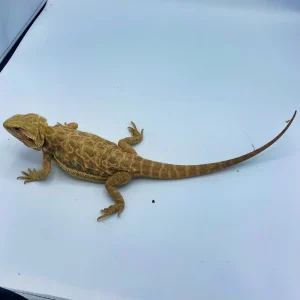
Banana Leatherback Hypo Bearded Dragons
$120.00Select options This product has multiple variants. The options may be chosen on the product page -
-
Bearded Dragon Diet Basics: Omnivores with Age-Specific Needs
Bearded dragons come from the arid deserts of Australia, where they naturally eat a wide variety of insects, flowers, and greens. In captivity, the key is balance:
- Insects provide protein for growth and energy.
- Vegetables and greens supply fiber, vitamins, and minerals.
- Fruits are treats only—high sugar content makes them unsuitable for daily feeding.
The ratio of insects to plants flips as your dragon matures:
| Age Group | Approximate Age/Size | Insect % | Plant % | Feeding Frequency |
|---|---|---|---|---|
| Hatchlings/Babies | 0–6 months (<8–10 inches) | 70–80% | 20–30% | Insects 2–3x daily + daily salad |
| Juveniles | 6–18 months (10–16 inches) | 50% | 50% | Insects daily + daily salad |
| Adults | 18+ months (>16 inches) | 20% | 80% | Insects 3–4x/week + daily salad |
Pro tip: Always offer fresh greens daily, even to babies. Many young dragons are picky at first, but consistent offering helps them develop a taste for vegetables.
Best Insects for Bearded Dragons (Live Prey Only)
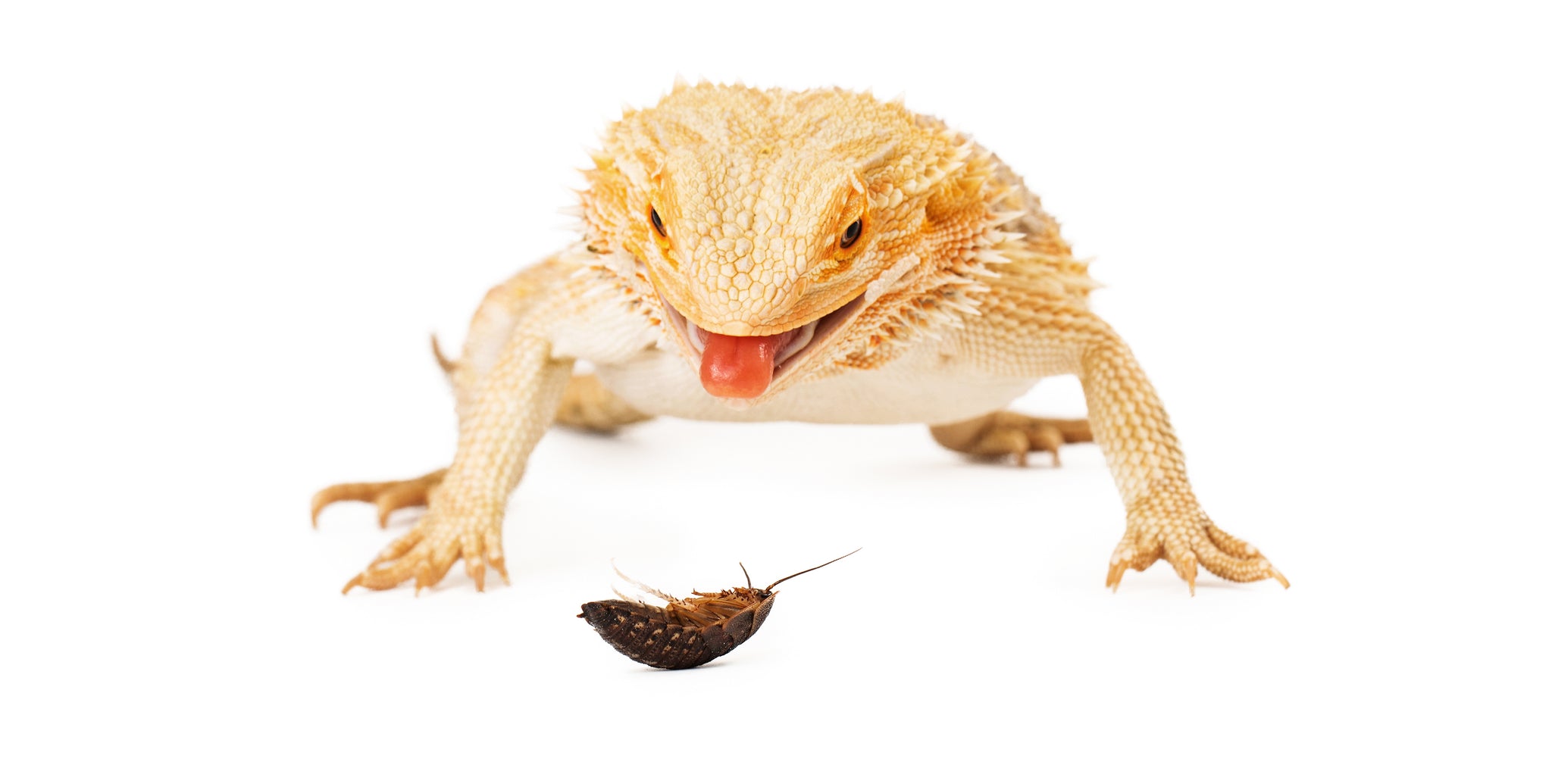
Live insects are essential—never feed dead or dried bugs as staples. Always gut-load insects (feed them nutritious veggies 24–48 hours before offering) and dust them with supplements.

Staple insects (feed regularly):
- Dubia roaches (best overall—high protein, easy to digest, quiet)
- Crickets (great variety, but can be noisy and smelly)
- Black soldier fly larvae (nutrient-dense, high calcium)
- Silkworms (excellent soft-bodied option)
Occasional/treat insects:
- Superworms and mealworms (high fat—limit to adults, 1–2x/week)
- Hornworms (hydrating treat, occasional)
- Phoenix worms/Calci-worms (great calcium boost)
Never feed: Wild-caught insects (pesticides/parasites), fireflies, ladybugs, or any brightly colored bugs.
Safe Vegetables & Greens: The Foundation of an Adult Diet
For adult bearded dragons, dark leafy greens should make up 80–90% of the plant portion of their diet. Chop or shred everything into small, bite-sized pieces.

:strip_icc()/close-up-of-bearded-dragon-feeding-on-leaf-vegetable-678865107-588765005f9b58bdb3ff81f1.jpg)
Staple greens (daily safe options):
- Collard greens
- Mustard greens
- Turnip greens
- Dandelion greens
- Endive / Escarole / Chicory
- Watercress
- Bok choy
Supplemental vegetables (2–4x/week):
- Butternut squash
- Zucchini
- Bell peppers
- Carrots (shredded)
- Sweet potato (cooked or raw, shredded)
- Green beans
- Squash varieties (acorn, spaghetti)
Safe herbs (occasional toppers): Basil, cilantro, mint, oregano, thyme, rosemary.
Image reference – Bearded Dragon Safe Foods Chart (great visual for your enclosure or feeding station):