Bearded Dragon Poop: The Ultimate Guide to Healthy vs. Unhealthy Poop. Bearded dragon poop might not be the most glamorous topic, but it’s one of the best ways to monitor your pet’s health. As reptile owners, we know that bearded dragons (Pogona vitticeps) hide illness well — until something shows up in their enclosure. Their poop is like a daily health report card.
Why Bearded Dragon Poop Matters for Health
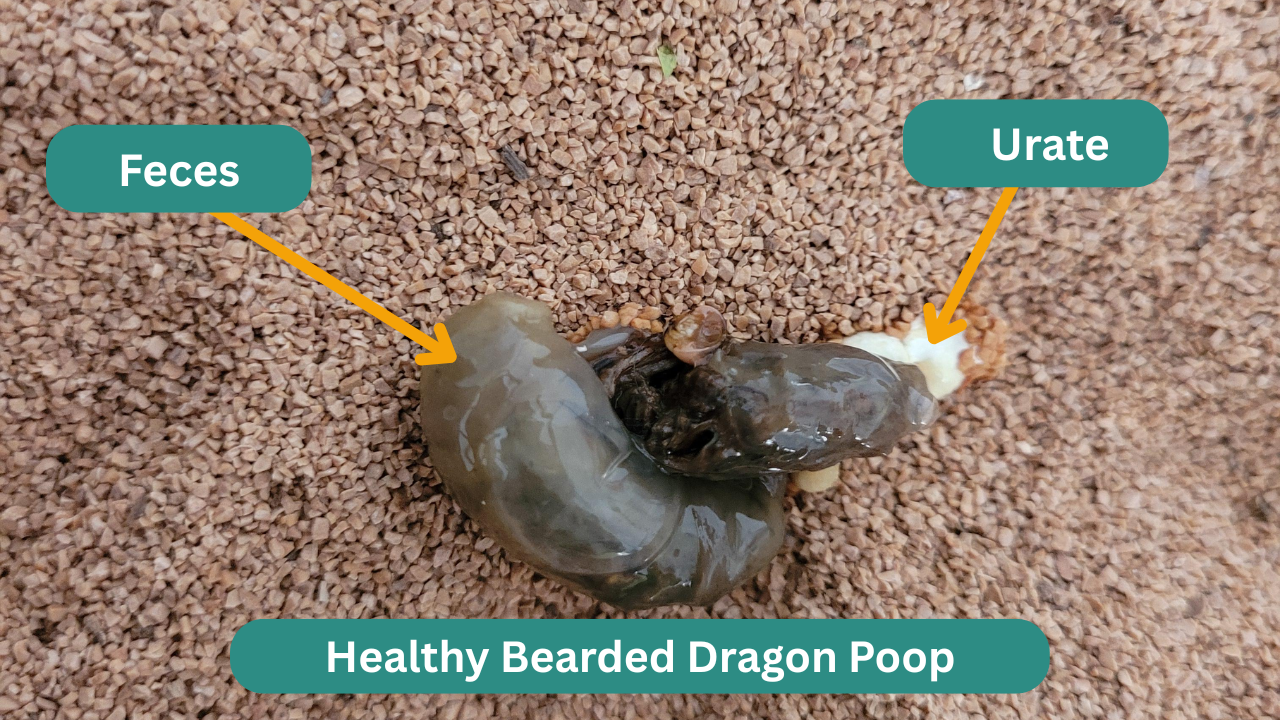
Unlike mammals, bearded dragons excrete feces and urine (as urates) together in one drop because they have a cloaca. This makes their poop a two-part package:
- The brown/dark part = actual feces (digested food)
- The white/off-white part = urates (concentrated uric acid — their version of pee)
A healthy bearded dragon usually poops every 1–3 days (adults less often than juveniles). Regular, well-formed poops with the right color and consistency mean your dragon is digesting food properly, staying hydrated, and free of major parasites or infections.
How Often Do Bearded Dragons Poop | TopFlight Dubia – TopFlight Dubia
Bearded Dragon
-
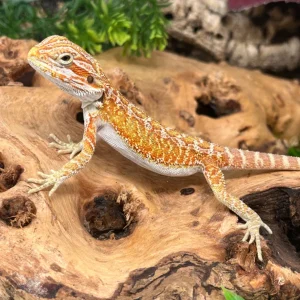
Hypo Bold Citrus Bearded Dragons
Price range: $99.99 through $229.00Select options This product has multiple variants. The options may be chosen on the product page -
ADULT Mixed Colored Bearded Dragons
$139.00Select options This product has multiple variants. The options may be chosen on the product page -
-
-
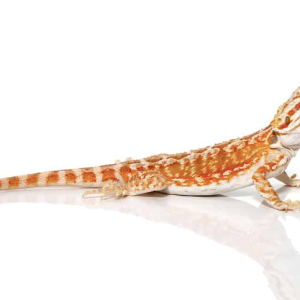
Hypo Red Rain Bearded Dragon
$299.00Select options This product has multiple variants. The options may be chosen on the product page -
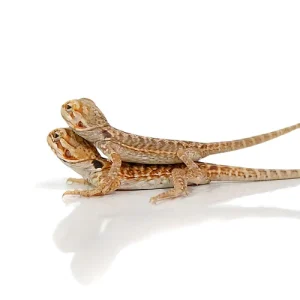
Baby Silky Bearded Dragons
$60.00Select options This product has multiple variants. The options may be chosen on the product page
What Does Healthy Bearded Dragon Poop Look Like?
Normal/Healthy Poop Checklist:
- Color: Firm brown or dark brown log-shaped feces + white or pale yellow urates at the end or side
- Texture: Slightly moist, holds its shape (not rock-hard or mushy)
- Size: Proportional to your dragon — usually 1–3 inches long for adults
- Smell: Mild earthy odor (not foul or overpowering)
- Frequency: 1–2 times per week for adults; more often for babies/juveniles
The white urates should be soft and creamy — not chalky or hard. A tiny bit of clear liquid urine may appear too.

Photo: Classic healthy bearded dragon poop (brown feces + white urates on substrate)
Bearded Dragon Poop Colors & Textures — What They Mean
Use this quick-reference chart to decode your dragon’s daily deposit:
| Poop Color/Texture | Meaning | Action Needed? |
|---|---|---|
| Brown + White Urates | Perfectly healthy | None — keep doing what you’re doing |
| Green | Usually from leafy greens or veggies | Monitor; normal if diet-related |
| Yellow/Orange Urates | Mild dehydration or excess calcium | Increase hydration; check UVB |
| All White (just urates) | Over-hydration or fasting | Usually fine; watch appetite |
| Runny/Diarrhea | Parasites, bad diet, stress, or infection | Vet fecal test ASAP |
| Red/Bloody | Parasites (coccidia), injury, or serious issue | Emergency vet visit |
| Black | Rare — possible internal bleeding | Immediate vet |
| Hard/Chalky Urates | Dehydration | Soak dragon + boost water intake |
Infographic: Types of abnormal bearded dragon poop
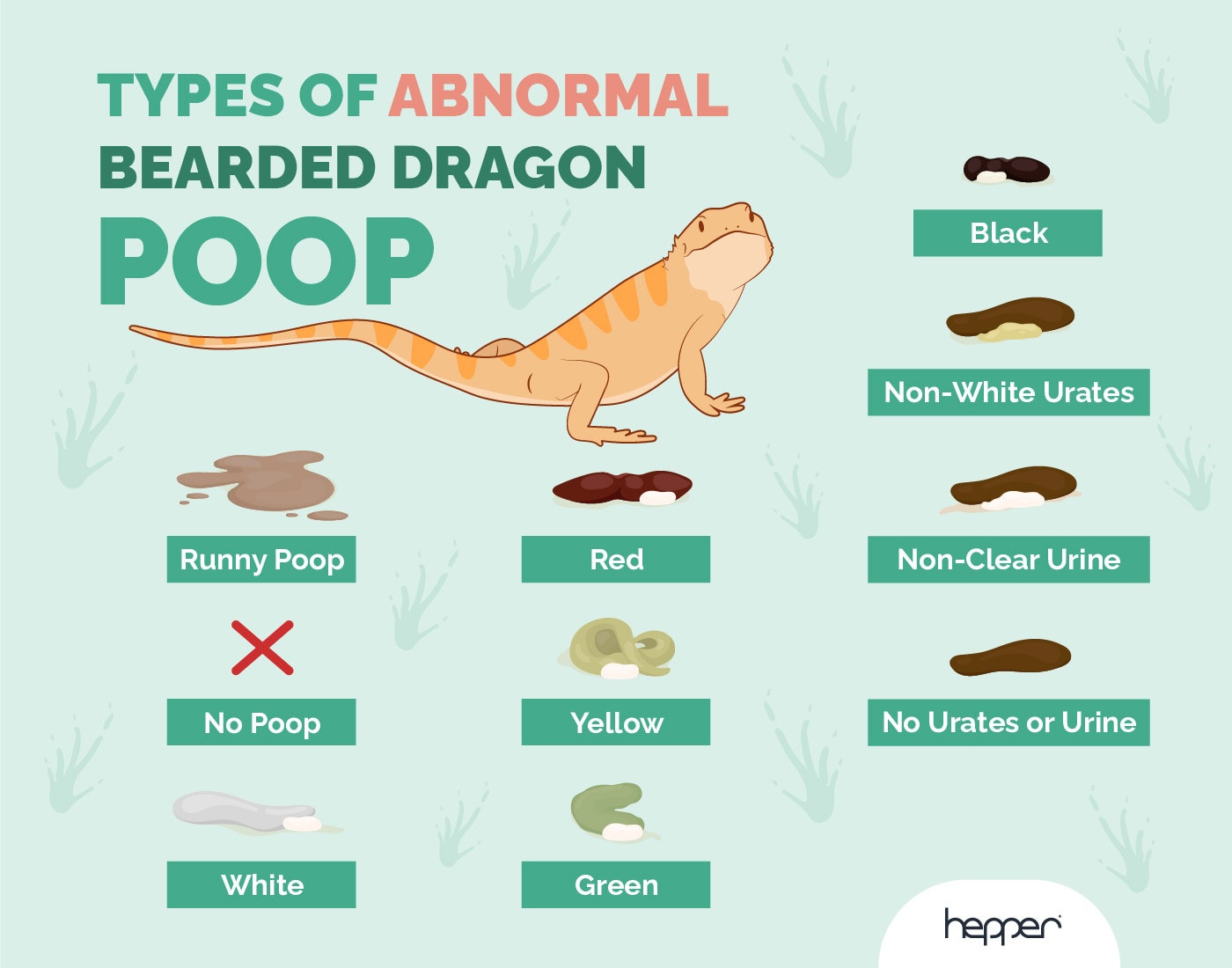
Pro Tip: Take a quick photo of every poop for a week. It helps you spot patterns before problems get serious.
Common Problems & When to See a Vet
Red-flag poops that need immediate attention:
- Blood or red streaks (not from red foods like beets)
- Foul-smelling or black poop
- Watery diarrhea for more than 1–2 days
- No poop for 5+ days (could be impaction)
- Chalky-hard white urates + lethargy
Other signs to watch: weight loss, lack of appetite, sunken eyes, or unusual behavior. Parasites like coccidia are extremely common in bearded dragons and often show up first in the poop.
