Bearded Dragon Diet: The Complete Guide to Feeding Your Pet. Bearded dragons are popular reptile pets thanks to their friendly nature and relatively straightforward care. One of the most important aspects of keeping them healthy is providing a balanced bearded dragon diet. These omnivorous lizards need the right mix of insects, vegetables, and occasional fruits to thrive and avoid issues like metabolic bone disease.
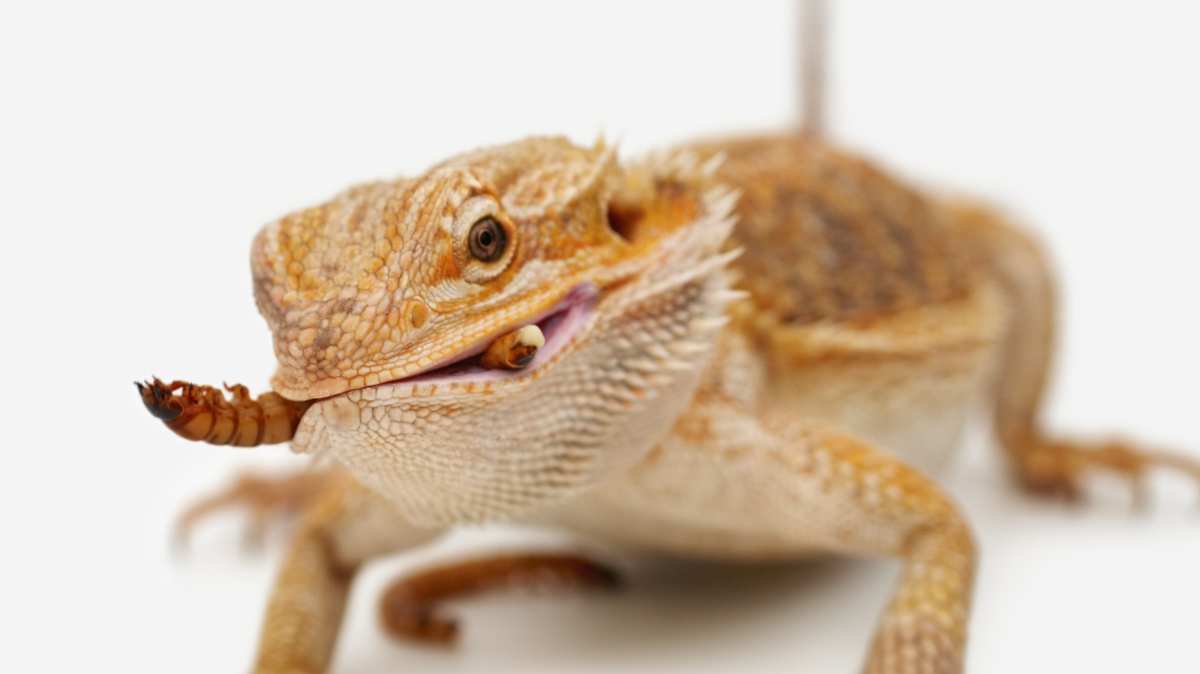

Bearded dragon eating a cricket (left) and a grasshopper (right).
Bearded Dragon
-
Translucent Pied Bearded Dragons
$99.99Select options This product has multiple variants. The options may be chosen on the product page -
Gorgeous Citrus-Red Leatherback Bearded Dragon
$159.00Select options This product has multiple variants. The options may be chosen on the product page -
-
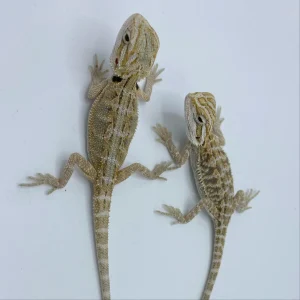
Red Translucent Bearded Dragons
$269.00Select options This product has multiple variants. The options may be chosen on the product page -
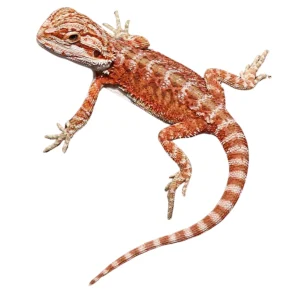
Hypo Inferno Bearded Dragons
Price range: $65.00 through $145.00Select options This product has multiple variants. The options may be chosen on the product page -
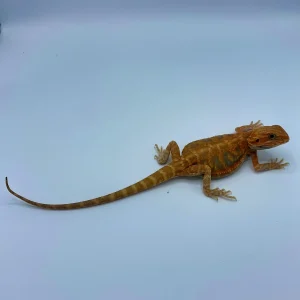
Super Hypo Red Translucent Bearded Dragon
$199.99Select options This product has multiple variants. The options may be chosen on the product page
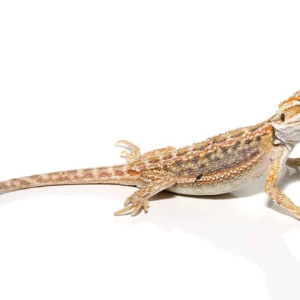
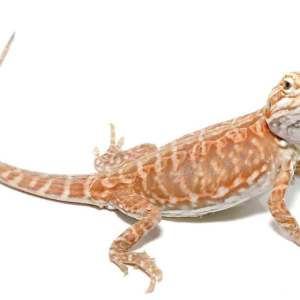
What Do Bearded Dragons Eat? Breaking Down the Diet
Bearded dragons‘ dietary needs change with age:
- Hatchlings and juveniles (under 12-18 months): Mostly insects (70-80%) for rapid growth, with daily greens.
- Adults: Shift to mostly plant matter (70-80% vegetables/greens) and fewer insects (20-30%) to prevent obesity.
A typical daily salad for adults should include:
- Staple leafy greens (50%+ of the salad): Collard greens, mustard greens, turnip greens, dandelion greens, endive, and chicory.
- Other vegetables (chop or grate finely): Squash (butternut, zucchini, acorn), bell peppers, carrots, broccoli, and bok choy.
- Fruits (treat only, max 5-10%): Blueberries, strawberries, apple (no seeds), banana, or papaya — offer sparingly as they are high in sugar.
:strip_icc()/Feeding-bearded-dragons-leafy-green-vegetables-1238411-10e2bbcef895462db0beb9b79fc5e5c0.jpg)
Helpful infographic showing safe leafy greens for bearded dragons and feeding frequency.
Safe insects (always gut-load them 24-48 hours before feeding with nutritious veggies):
- Crickets, dubia roaches, black soldier fly larvae (excellent calcium source), silkworms, and occasional superworms or mealworms (limit these as they’re fatty).
Essential Supplementation for a Healthy Bearded Dragon Diet
Dust insects and salads lightly with:
- Calcium powder (phosphorus-free, without D3 or with D3 depending on your UVB lighting) — daily for growing dragons, every other day for adults.
- Multivitamin powder — 1-2 times per week.
Proper UVB lighting is crucial because it helps your dragon absorb calcium. Without it, even the best diet can lead to health problems.
Feeding Schedule and Tips
- Feed adults once daily or every other day.
- Offer insects in the morning; remove uneaten ones after 15-30 minutes.
- Provide fresh salad daily in a shallow dish.
- Always chop greens and veggies into small, bite-sized pieces to prevent choking or impaction.
- Variety is key — rotate foods to ensure balanced nutrition.

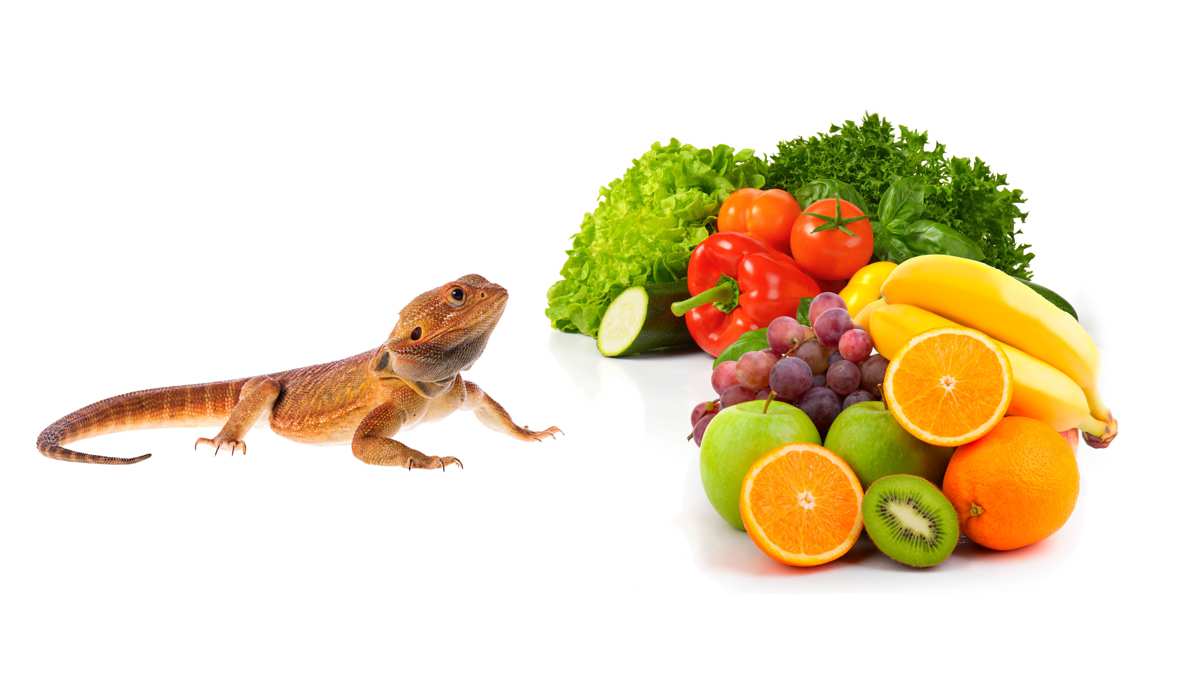
Bearded dragon enjoying fresh greens (left) and a visual of safe fruits/veggies (right).
Foods to Avoid
- High-oxalate greens like spinach or Swiss chard in large amounts (they bind calcium).
- Avocado, rhubarb, onion, garlic, or fireflies (toxic).
- Wild-caught insects (risk of parasites/pesticides).
Final Thoughts on Bearded Dragon Nutrition
A proper bearded dragon diet keeps your pet active, prevents common health issues, and helps them live 10+ years. Always consult a reptile vet for personalized advice, especially if your dragon shows signs of poor appetite or lethargy.
If you’re setting up your first bearded dragon, focus on high-quality UVB, proper temperatures, and fresh food daily.
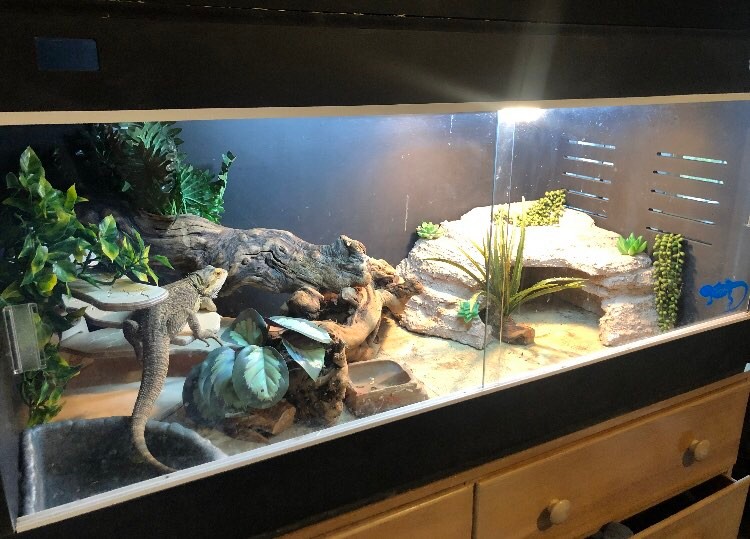
A well-set-up bearded dragon enclosure with natural elements.
Have questions about your bearded dragon‘s diet? Drop a comment below or share what your beardie loves to eat most!