Baby Bearded Dragon Care Guide for Beginners: Everything You Need to Know. Are you thinking about bringing home a baby bearded dragon? These tiny, spiky hatchlings are incredibly cute and make wonderful pets once you understand their needs. Often called “beardies,” baby bearded dragons (hatchlings) grow quickly and develop friendly personalities. With the right setup, they can thrive and live 8–10 years or more.
Bearded Dragon Lady Blog – Bearded Dragon Lady
Tiny but full of personality — a baby bearded dragon resting comfortably in hand.
Bearded Dragon
-
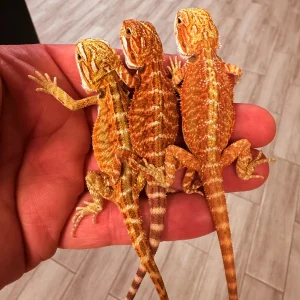
HIGH RED Bearded Dragon
$139.00Select options This product has multiple variants. The options may be chosen on the product page -
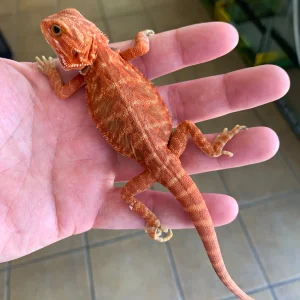
Super Red Fire Translucent Bearded Dragons
$359.00Select options This product has multiple variants. The options may be chosen on the product page -
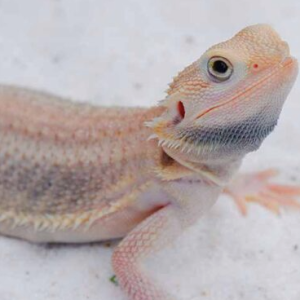
Albino Bearded Dragon
Price range: $199.99 through $315.00Select options This product has multiple variants. The options may be chosen on the product page -
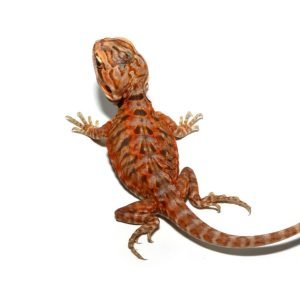
Tangerine Translucent Bearded Dragon
$299.99Select options This product has multiple variants. The options may be chosen on the product page -
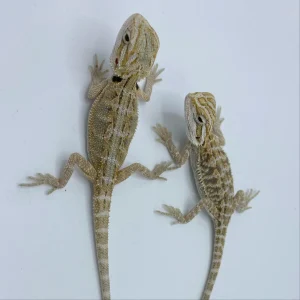
Red Translucent Bearded Dragons
$269.00Select options This product has multiple variants. The options may be chosen on the product page
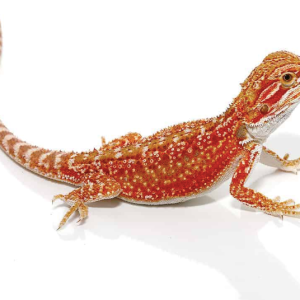
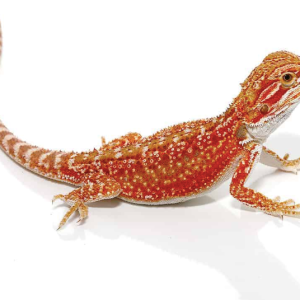
Proper Housing for Your Baby Bearded Dragon
Start with a suitable enclosure. Many experts recommend a 20–40 gallon tank (or larger, like a 4x2x2 ft vivarium) for babies to give them space to explore without feeling overwhelmed. As they grow fast, plan to upgrade to at least 120 gallons for adults.
Key setup elements:
- Temperature gradient: Basking spot surface temperature of 100–110°F (use a reliable thermometer gun). Cool side should stay around 80–85°F.
- Lighting: Essential linear UVB tube (like Reptisun 10.0 T5) for calcium absorption and to prevent metabolic bone disease. Add a basking bulb for heat.
- Substrate: Use paper towels or reptile carpet for babies to avoid impaction from loose particles like sand.
- Enrichment: Include hides, branches for climbing, and a shallow water dish.
A well-designed enclosure helps your baby regulate body temperature and stay active.
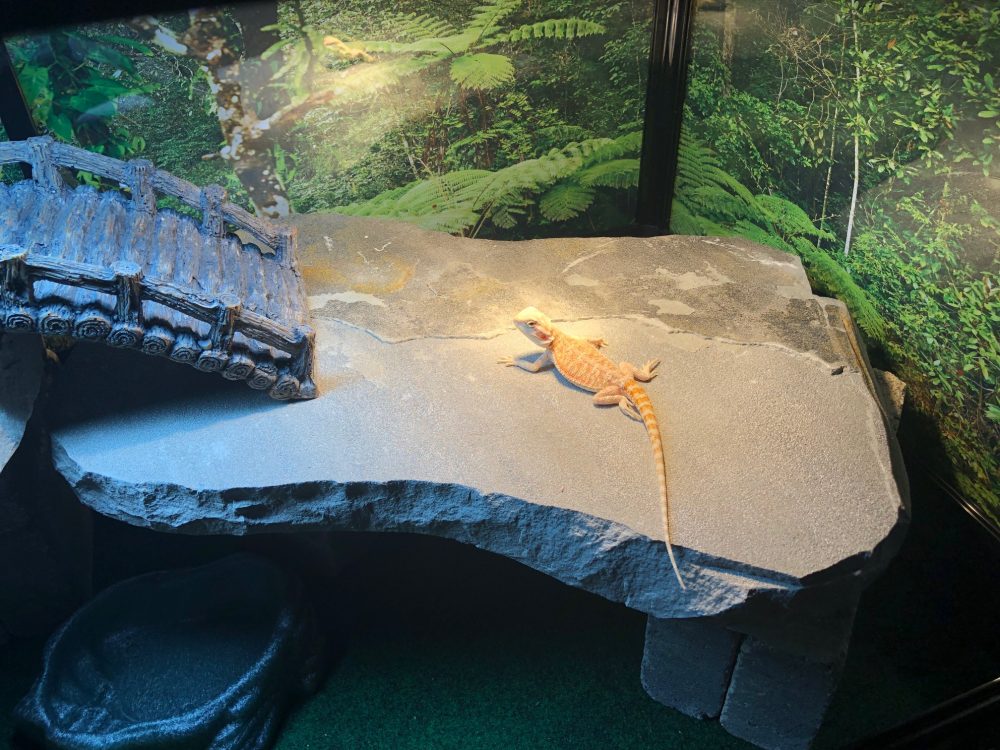
Example of a bearded dragon basking in a properly set up enclosure.
What Do Baby Bearded Dragons Eat?
Baby beardies are mostly insectivores for rapid growth. Feed them 80% insects and 20% vegetables initially.
- Insects: Small crickets, dubia roaches, or black soldier fly larvae (size no bigger than the space between their eyes). Offer 2–3 times a day, as many as they can eat in 10–15 minutes.
- Greens/Veggies: Daily salads with collard greens, mustard greens, dandelion, or squash. Chop finely.
- Supplements: Dust insects with calcium powder with D3 at most feedings and a reptile multivitamin 1–2 times per week.
Always remove uneaten food to keep the enclosure clean.

A bearded dragon enjoying fresh greens — offer veggies daily even to babies.
Daily Care and Handling Tips
- Feeding schedule: Multiple small meals per day for the first few months.
- Hydration: Mist the enclosure lightly or offer water in a shallow dish. Some babies prefer licking droplets.
- Handling: Be gentle and limit sessions at first. Babies can be skittish but often become tame quickly with consistent, calm interaction.
- Cleaning: Spot clean daily and do a full clean weekly.
Monitor for signs of health issues like lethargy or lack of appetite, and consult a reptile vet if needed.
Why Baby Bearded Dragons Make Great Pets
These little lizards are curious, active during the day, and relatively low-maintenance once set up correctly. Watching them grow from a tiny hatchling into a full-sized dragon is incredibly rewarding.
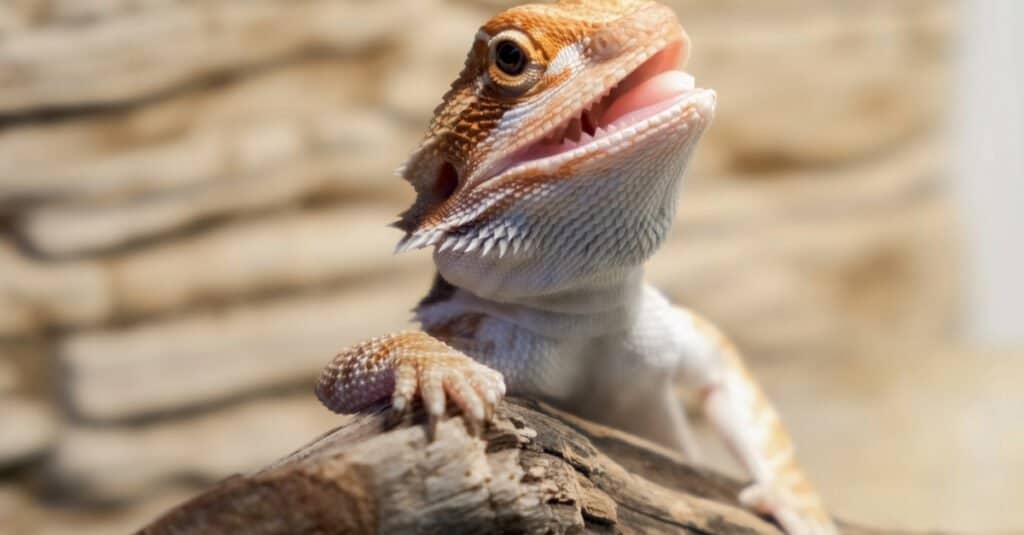
Close-up of an adorable baby bearded dragon showing off its curious expression.