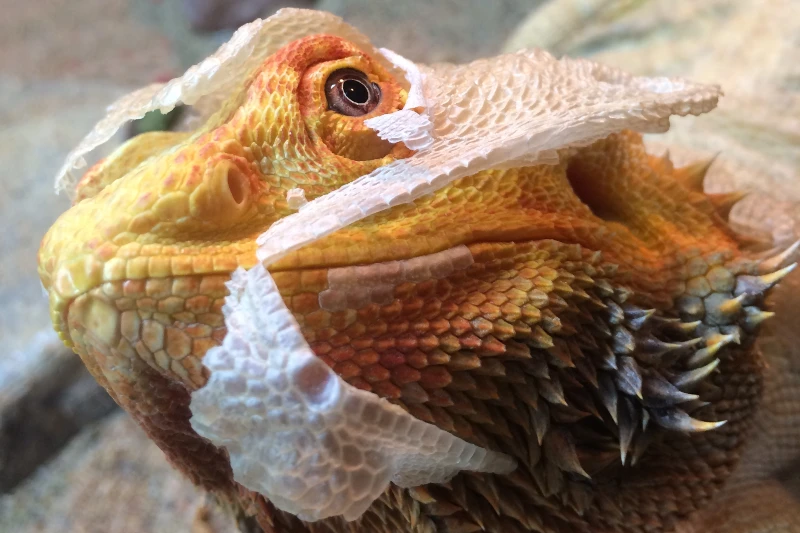
Bearded Dragon Care Guide for Beginners: Keep Your Beardie Thriving. Bearded dragons (often called “beardies”) are one of the most popular pet reptiles for good reason. They’re relatively docile, curious, and rewarding to care for—making them an excellent choice for beginners. With proper bearded dragon care, these lizards can live 8–12 years or longer. Here’s everything you need to know to get started. Bearded Dragon Care Guide for Beginners: Keep Your Beardie Thriving
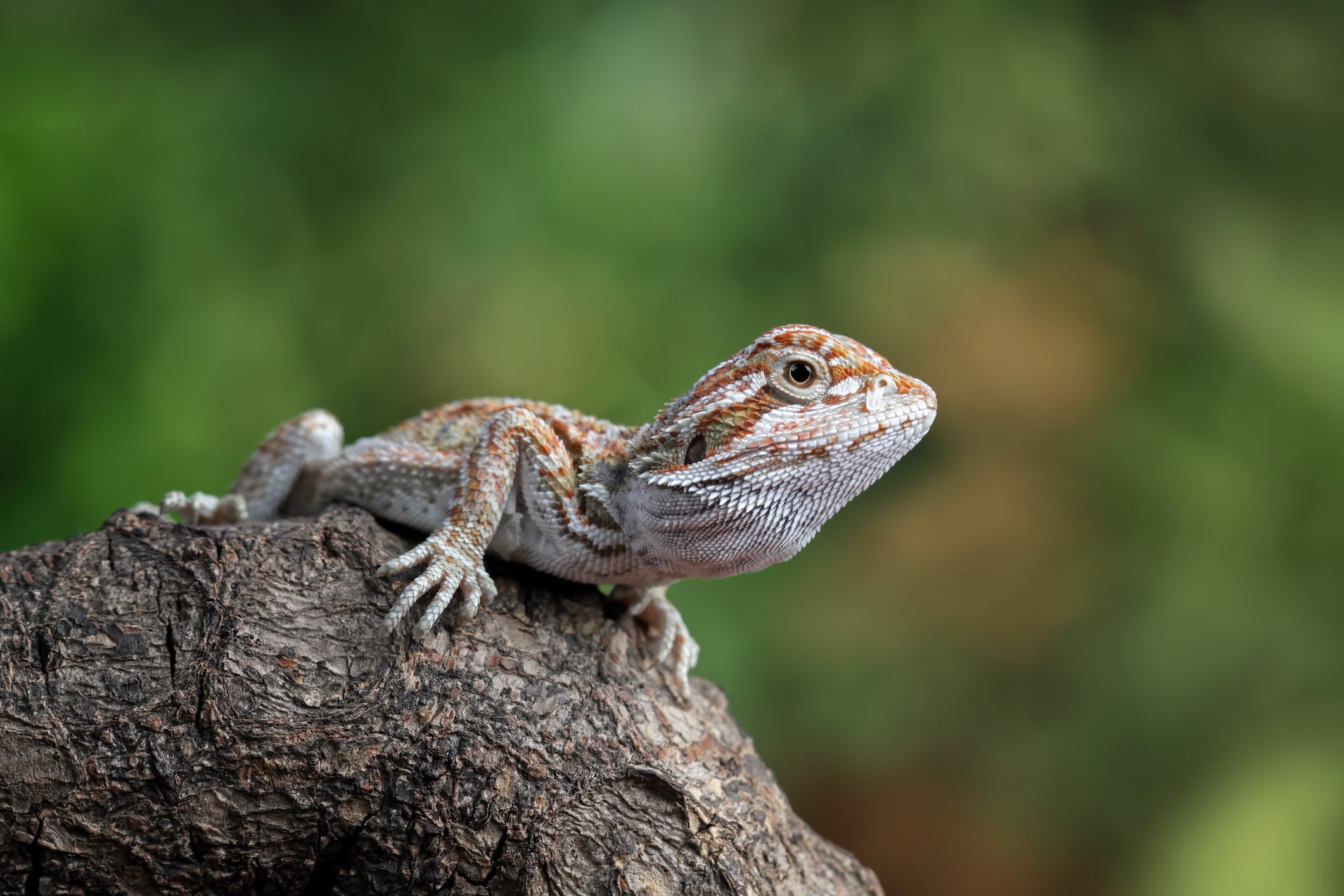
Baby Bearded Dragons | Top 5 Must Know Tips
Bearded Dragon
-

Tangerine Translucent Bearded Dragon
$299.99Select options This product has multiple variants. The options may be chosen on the product page -

Banana Leatherback Hypo Bearded Dragons
$120.00Select options This product has multiple variants. The options may be chosen on the product page -
-
Hypo Translucent Blue Bar Leatherback Bearded Dragon
$349.00Select options This product has multiple variants. The options may be chosen on the product page -
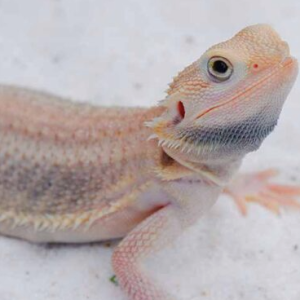
Albino Bearded Dragon
Price range: $199.99 through $315.00Select options This product has multiple variants. The options may be chosen on the product page
2. Temperature, Lighting & Humidity
Bearded dragons are from arid Australian deserts, so they need a temperature gradient:
- Basking spot (hot end surface): 100–110°F (38–43°C)
- Warm side air: 85–95°F
- Cool side: 75–85°F
- Nighttime: Can drop to 65–75°F
Use a high-quality basking lamp (halogen or deep heat projector) and always measure surface temperatures with an infrared thermometer.
Lighting is critical: Provide UVB lighting (T5 linear tube recommended, like 10.0 or 12% strength) for 10–12 hours daily to prevent metabolic bone disease. Pair it with bright white/daylight bulbs (~6500K) for natural behavior.
Humidity should stay low: 30–40%. Use a hygrometer and mist lightly if needed, but avoid damp conditions.

3. Bearded Dragon Diet: What to Feed
Beardies are omnivores. Feed babies mostly insects with some greens; adults shift to 70–80% vegetables.
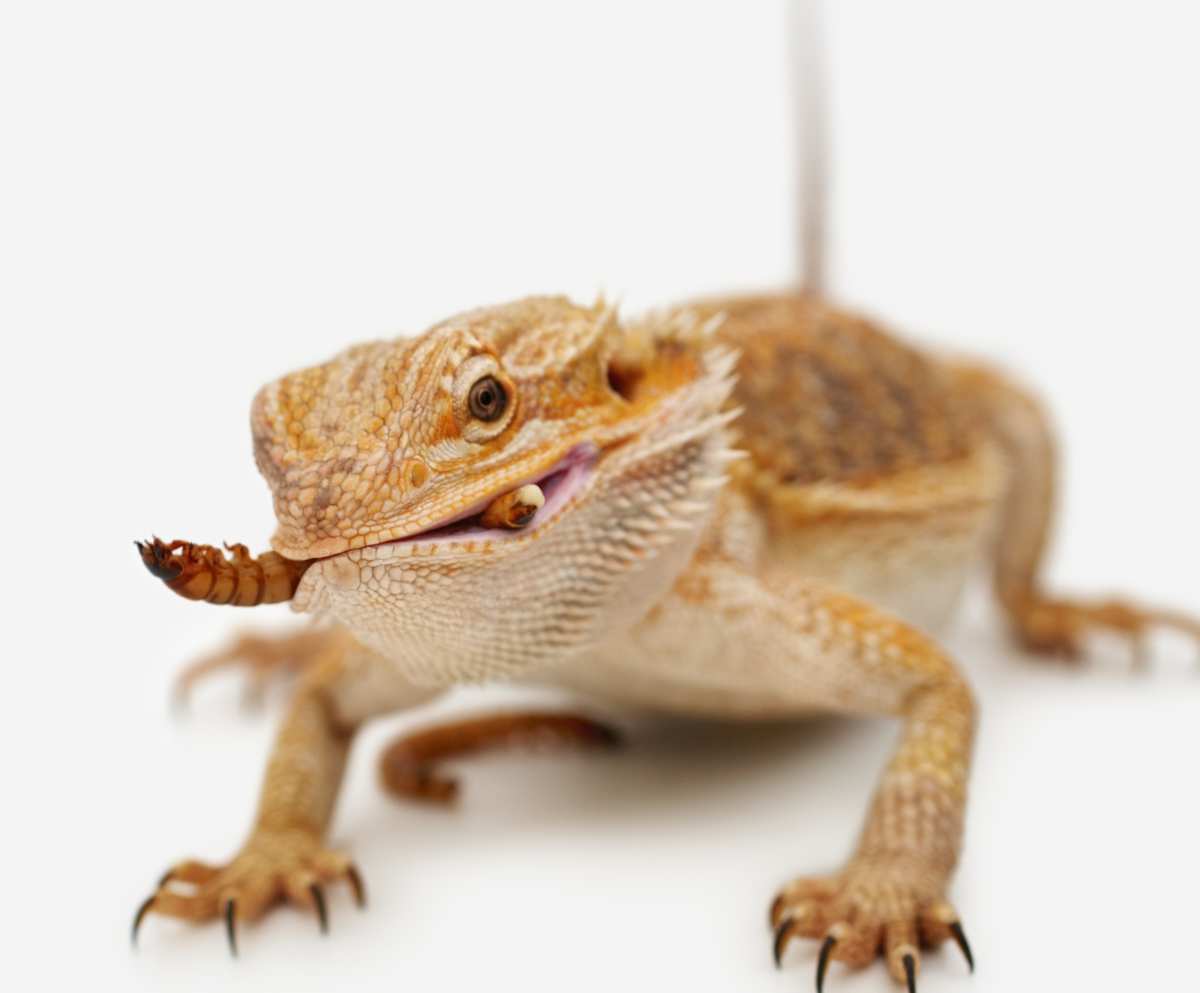
Insects (gut-loaded and dusted with calcium powder without D3 daily, multivitamins 1–2x/week): Crickets, Dubia roaches, silkworms, black soldier fly larvae. Limit mealworms and superworms.
Vegetables (daily): Collard greens, mustard greens, dandelion greens, endive, bell peppers, squash, and occasional fruits like berries or apple (as treats, <10%).
Always provide fresh water in a shallow dish, and offer occasional warm baths for hydration and shedding support.

4. Handling, Health & Common Tips
Handle your dragon gently after it settles in (start with short sessions). Watch for signs of illness: lethargy, lack of appetite, swollen limbs, or abnormal shedding.
Common mistakes to avoid: Inadequate UVB, wrong temperatures, overfeeding insects to adults, or using loose sand substrate.
Regular vet check-ups (exotic reptile vet) are recommended, especially for new pets.