Creating the Perfect Bearded Dragon Habitat: A Complete Setup Guide. Bearded dragons (Pogona vitticeps) are one of the most popular pet reptiles, thanks to their friendly personalities and relatively straightforward care. Native to the arid and semi-arid regions of central and eastern Australia, these lizards thrive in warm, dry environments with plenty of basking opportunities and space to explore.
Replicating their natural habitat in captivity is essential for their health, preventing issues like metabolic bone disease and stress. Whether you’re a first-time owner or upgrading your setup, here’s how to build an ideal bearded dragon enclosure.
1. Enclosure Size and Type
Adult bearded dragons need significant horizontal space to move, climb, and thermoregulate. The minimum recommended size for an adult is a 4x2x2 ft (120x60x60 cm) enclosure — often equivalent to a 120-gallon tank or larger PVC/wood vivarium. Smaller juveniles can start in a 20-40 gallon tank but will quickly outgrow it.
Larger enclosures (e.g., 6x2x2 ft) are even better, as they allow for a stronger temperature gradient and more enrichment. Avoid stacking multiple dragons together — they are solitary and territorial.

Bearded Dragon
-
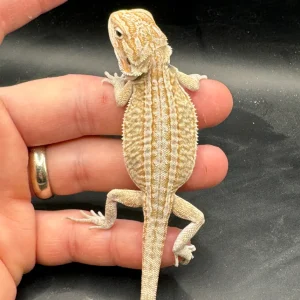
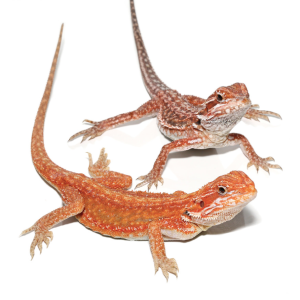
High End Het Zero Bearded Dragons
$249.00Select options This product has multiple variants. The options may be chosen on the product page -
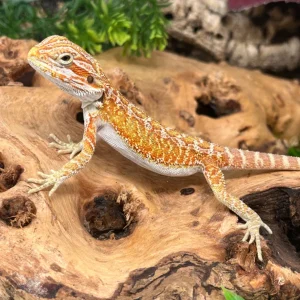
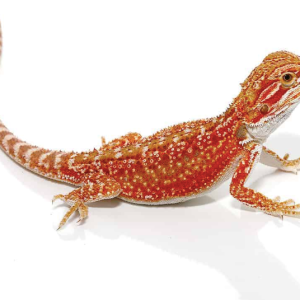
Hypo Red Rain Bearded Dragon
$299.00Select options This product has multiple variants. The options may be chosen on the product page -
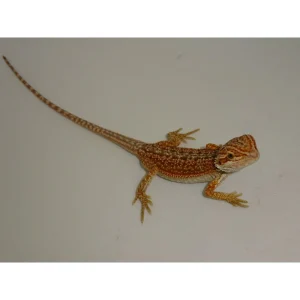
Translucent Pied Bearded Dragons
$99.99Select options This product has multiple variants. The options may be chosen on the product page -
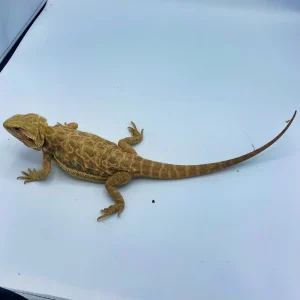
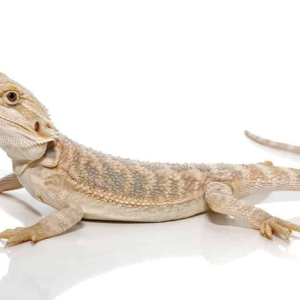
Citrus Bearded Dragons
$60.00Select options This product has multiple variants. The options may be chosen on the product page -
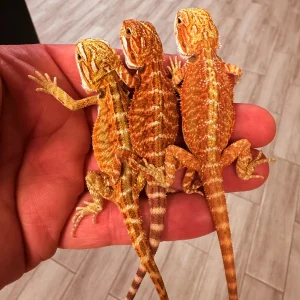
HIGH RED Bearded Dragon
$139.00Select options This product has multiple variants. The options may be chosen on the product page
2. Temperature and Heating
Bearded dragons are cold-blooded and require a temperature gradient:
- Basking spot (hot side): 95–110°F (35–43°C) on the surface
- Warm side: 85–90°F (29–32°C)
- Cool side: 75–85°F (24–29°C)
- Nighttime: 65–75°F (18–24°C)
Use a high-quality basking bulb (e.g., halogen or deep heat projector) mounted on one side, paired with a thermostat for safety. Many keepers also add ceramic heat emitters for cooler nights.
3. Lighting and UVB
Proper UVB lighting is non-negotiable to help your dragon synthesize vitamin D3 and absorb calcium. Use a linear T5 UVB bulb (10–14% desert strength, like Arcadia or Zoo Med), spanning about half the enclosure length and placed on the basking side.
Provide a 12-hour light cycle with a daylight lamp for visible light. Replace UVB bulbs every 6–12 months, as output degrades over time.

4. Substrate and Flooring
Choose a safe, naturalistic substrate that mimics the hard-packed soils and rocky terrain of Australia. Popular options include:
- Tile or slate (easiest to clean, great for beginners)
- Bioactive mixes (soil, clay, sand, and leaf litter — allows digging and natural behaviors)
- Reptile carpet (temporary option)
Avoid loose sand for juveniles due to impaction risk; many experienced keepers successfully use bioactive or tile setups for adults.
5. Enrichment and Decor
Make the habitat engaging:
- Basking platform or rock
- Hides on both hot and cool sides
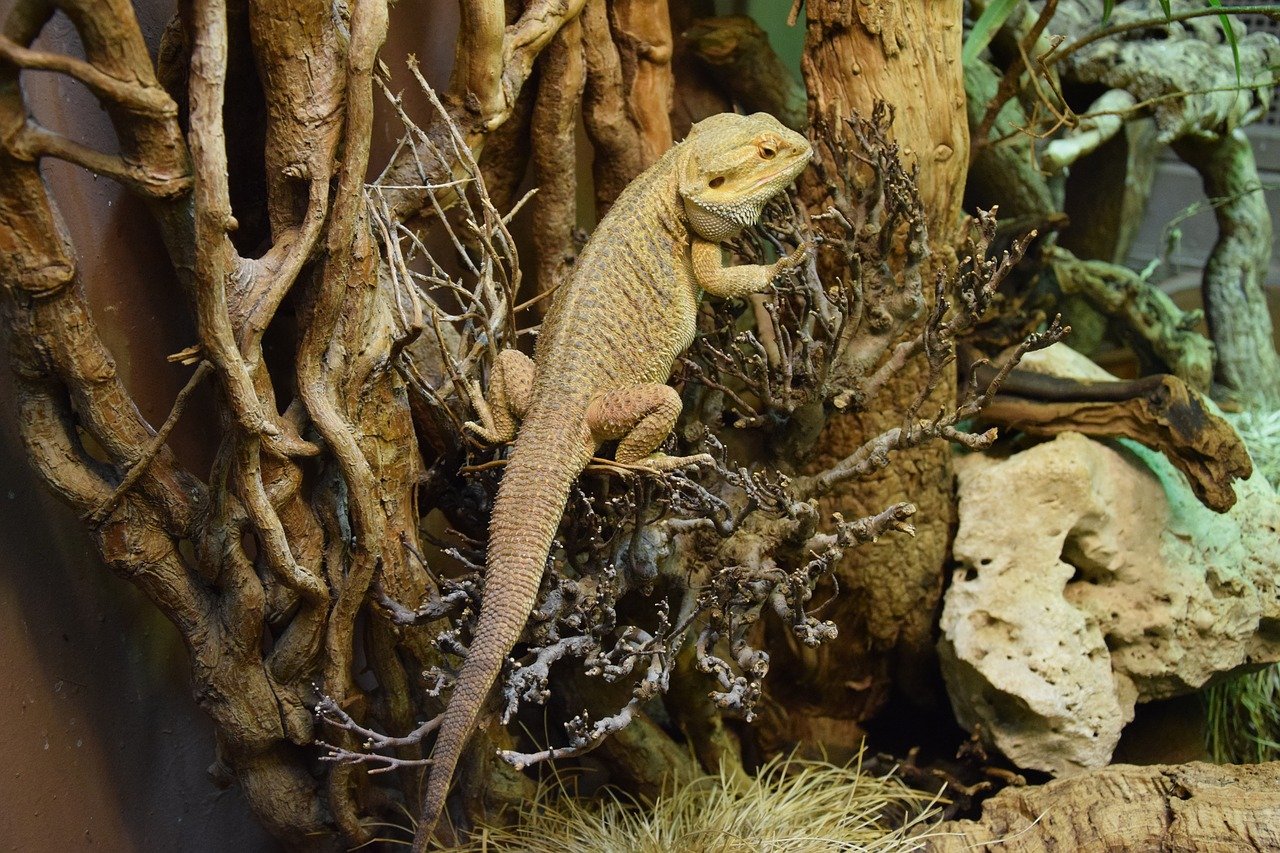
- Branches, logs, and vines for climbing (bearded dragons are semi-arboreal)
- Fake or live plants for cover
- Food and water bowls
Add variety to encourage natural behaviors like foraging and perching.
6. Humidity
Keep humidity low at 20–40% to prevent respiratory issues. Monitor with a digital hygrometer and provide occasional misting or a shallow water dish for drinking and soaking.