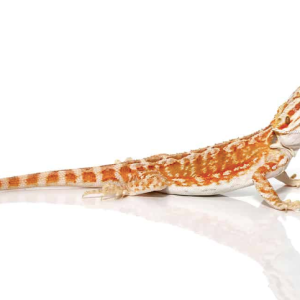
Bearded Dragon Colors and Morphs: A Complete Beginner’s Guide. Bearded dragons (Pogona vitticeps) rank among the most popular pet reptiles, and one big reason is their stunning variety of colors and morphs. From earthy wild-type browns to vibrant reds, bright yellows, and even striking whites, these lizards display incredible visual diversity thanks to selective breeding.
Whether you’re a first-time owner or an experienced keeper, understanding bearded dragon colors helps you appreciate their beauty and make informed choices when adding one to your family. Let’s explore the most common colors, popular morphs, and what makes each unique.
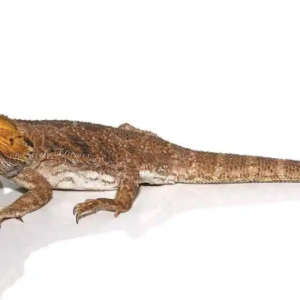
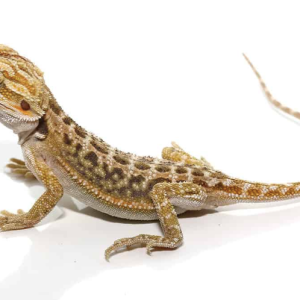
Bearded dragons naturally come in shades of brown, tan, and gray that mimic their Australian desert origins. These classic colors provide excellent camouflage in the wild.
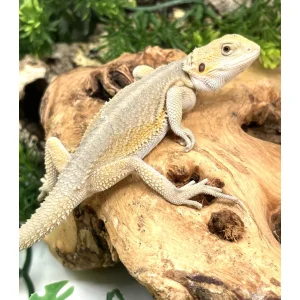
Yellow/Citrus — The most popular color variation. Ranges from pale lemon to deep banana yellow, often with orange accents. Citrus dragons frequently show tiger-like stripes.
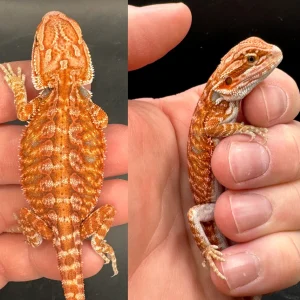
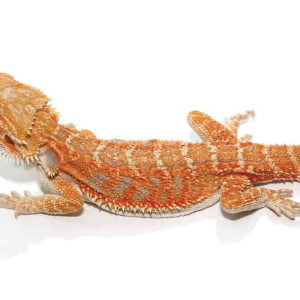
Red/Orange — Highly sought-after for their fiery hues. “Sandfire Red” or “Ruby Red” dragons display rich, warm tones that intensify with age and proper heating.
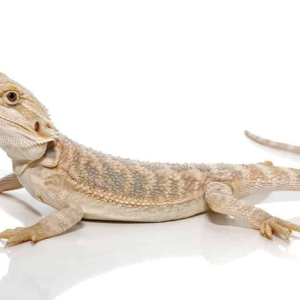
Hypomelanistic (Hypo) — These have reduced melanin (dark pigment), resulting in brighter, more vivid colors and often clear nails. Hypo dragons look “washed out” in a beautiful way.
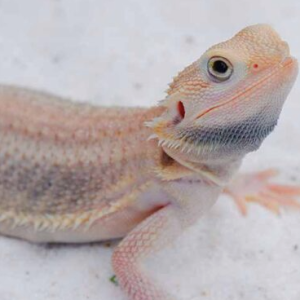
White/Zero — Rare and eye-catching patternless dragons that appear silvery-white or pale gray. They lack typical dark markings.
Other shades — Include tangerine, sunburst gold, and even subtle blue undertones visible through translucent skin.
Color can shift based on mood, temperature, or health — brighter yellows/oranges often signal a relaxed, happy dragon, while darker tones may indicate stress or cooling down.
What Are Bearded Dragon Morphs?
Morphs go beyond basic color. They refer to genetic traits affecting scale texture, pattern, size, or overall appearance. Colors and morphs often combine (e.g., a “Hypo Red Leatherback“).
Popular morph types include:
Classic/Normal — The standard wild-type look with full spikes on the back and sides. Affordable and widely available in various colors.
Leatherback — Smooth back with reduced spikes, making colors appear bolder and more vibrant. A favorite for its sleek look.
Dunner — Features randomly oriented scales and unique patterns. Often smaller but very active.
Translucent (Trans) — Semi-transparent scales that give a glowing effect, especially when combined with hypo.
Silkback — Extremely reduced scales (almost “silky” skin). These need extra humidity and careful handling due to sensitive skin.
Zero & Witblits — Patternless or heavily reduced patterns, producing clean white or light-colored dragons.
Paradox — Rare irregular color patches or “mosaic” markings.
Combinations like Hypo Leatherback or Red Translucent create some of the most stunning bearded dragons available today.
Why Bearded Dragon Colors Matter
Different morphs aren’t just pretty — some affect care slightly. Silkbacks, for example, require higher humidity to prevent skin issues, while hypomelanistic dragons may need gentler nail trims due to clearer nails.
No matter the color or morph, all bearded dragons share the same basic care needs: a proper UVB setup, basking temperatures of 95–110°F (35–43°C), a varied diet of insects and vegetables, and a spacious enclosure.
Choosing a morph is mostly about personal preference and budget. Classic and hypo citrus dragons make excellent starters, while rarer zeros or leatherbacks appeal to enthusiasts.
Ready to Meet These Colorful Companions?
Bearded dragons live 8–12+ years with good care, offering years of personality and visual enjoyment. Their color changes and beard displays never get old!