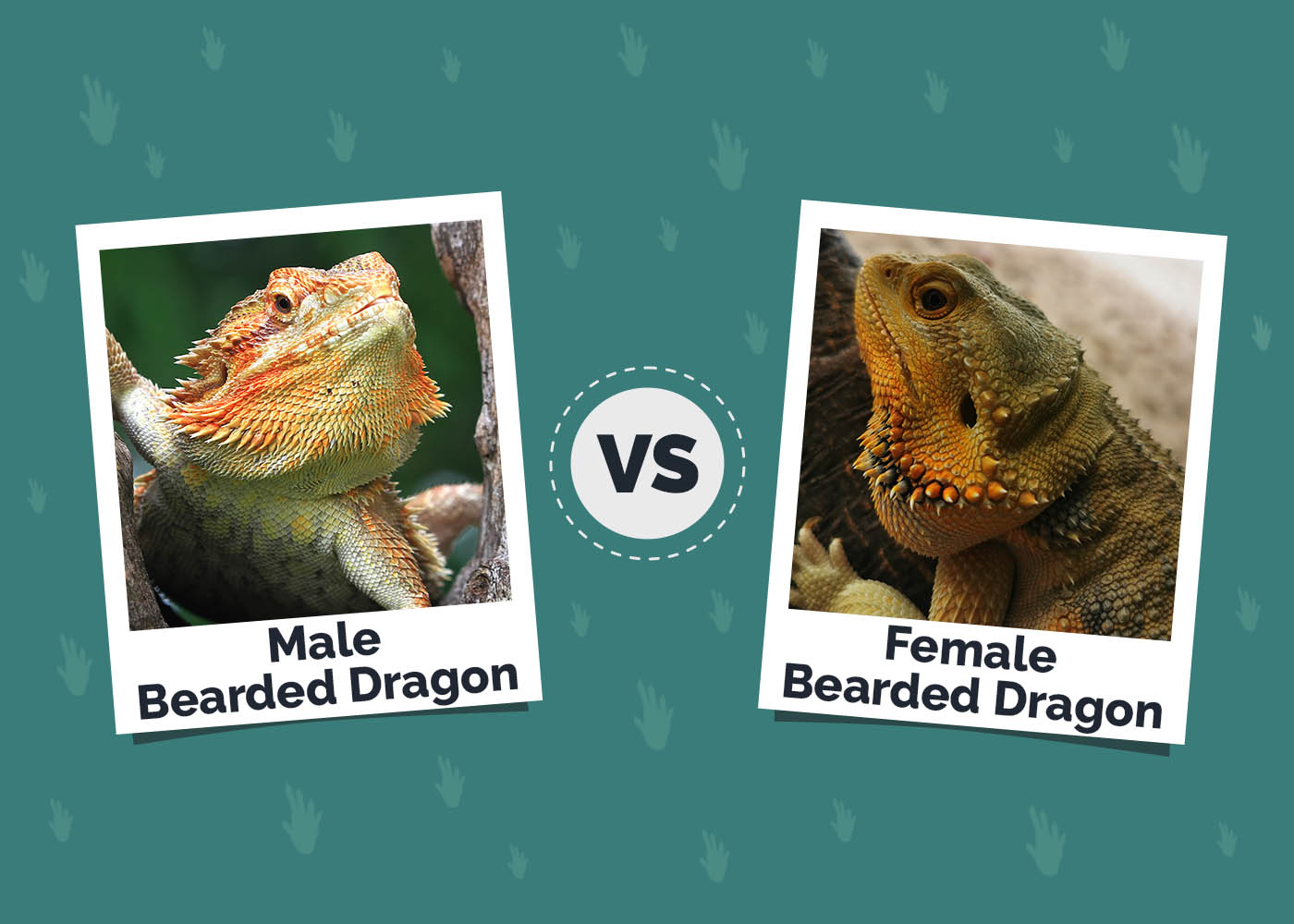
Bearded Dragon
-
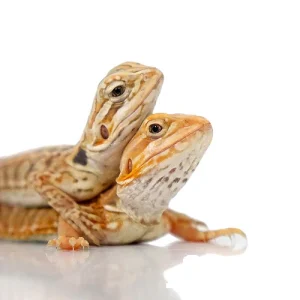
Fancy Colored Bearded Dragons
Price range: $55.00 through $150.00Select options This product has multiple variants. The options may be chosen on the product page -
-
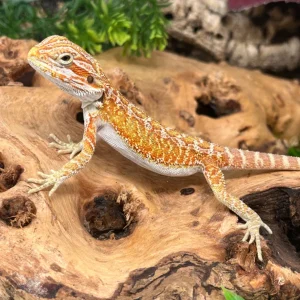
Leatherback Orange Tang Hypo Bearded Dragon
$329.00Select options This product has multiple variants. The options may be chosen on the product page -
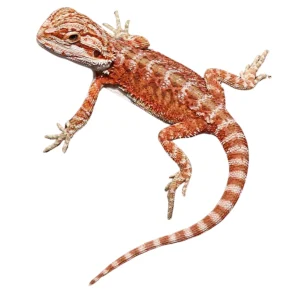
Hypo Inferno Bearded Dragons
Price range: $65.00 through $145.00Select options This product has multiple variants. The options may be chosen on the product page -
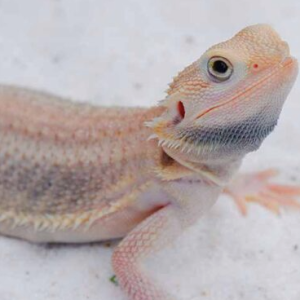
Albino Bearded Dragon
Price range: $199.99 through $315.00Select options This product has multiple variants. The options may be chosen on the product page -
Hypo Red Rain Bearded Dragon
$299.00Select options This product has multiple variants. The options may be chosen on the product page -
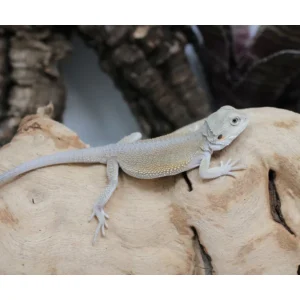
Normal Witblits Bearded Dragon
$269.00Select options This product has multiple variants. The options may be chosen on the product page
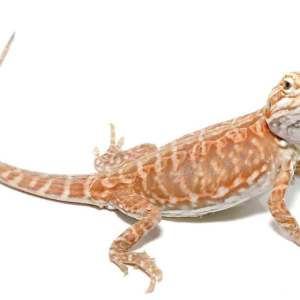
Bearded Dragon Growth Stages: From Tiny Hatchling to Impressive Adult
Bearded dragons (Pogona vitticeps) grow incredibly fast in their first year, then slow down significantly. Most reach their adult size between 12–18 months, though some continue filling out until 24 months.

Here’s a breakdown of the typical growth stages:
1. Hatchling Stage (0–2 Months)
- Length: 3–6 inches (snout to tail tip)
- Weight: 4–20 grams
- Appearance: Tiny, delicate, and extremely fast. They spend most of their time eating and basking.

2. Juvenile Stage (3–11 Months)
- Length: 8–16 inches
- Weight: 20–400 grams
- Growth rate: Explosive! Many beardies double or triple in size during this period.
This is when most owners notice dramatic changes week to week. Proper UVB lighting and a varied diet are critical here.

3. Sub-Adult Stage (12–18 Months)
- Length: 16–20 inches
- Weight: 300–450 grams
- Growth slows but they continue to gain muscle and body mass.
4. Adult Stage (18–24+ Months)
- Length: 18–24 inches (most common range)
- Weight: 300–550 grams (some large males exceed 600g)
- Full-grown status: They’re sexually mature and done growing in length, though they may continue to “bulk up.”
Realistic average: Most pet bearded dragons top out around 20 inches. The absolute maximum recorded is around 26 inches in exceptional cases with optimal care and genetics.


Male vs. Female Bearded Dragon Size Comparison
Sexual dimorphism is very noticeable in bearded dragons:
| Feature | Male Bearded Dragons | Female Bearded Dragons |
|---|---|---|
| Average Adult Length | 20–24 inches | 16–20 inches |
| Head Shape | Wider, larger head | Narrower head |
| Body Build | Bulkier, more muscular | Slimmer |
| Pores & Femoral Spurs | Prominent | Less obvious |
| Behavior | More territorial, head bobs | Calmer (generally) |
Males are almost always the larger of the two. If you want a bigger dragon, choose a male — but remember they can be more aggressive during breeding season.