The Ultimate Guide to Bearded Dragon Food: What to Feed Your Beardie for a Long, Healthy Life. Discover the complete bearded dragon food guide including safe insects, veggies, fruits, supplements, and a feeding schedule. Learn what bearded dragons eat by age, foods to avoid, and expert tips to prevent common health issues like metabolic bone disease.
Bearded dragons (Pogona vitticeps) are popular pet lizards known for their calm personalities and dinosaur-like appearance. But keeping them healthy starts with one critical factor: bearded dragon food. A proper diet prevents obesity, metabolic bone disease, and digestive issues while supporting strong bones, vibrant colors, and a long lifespan (10–15+ years).
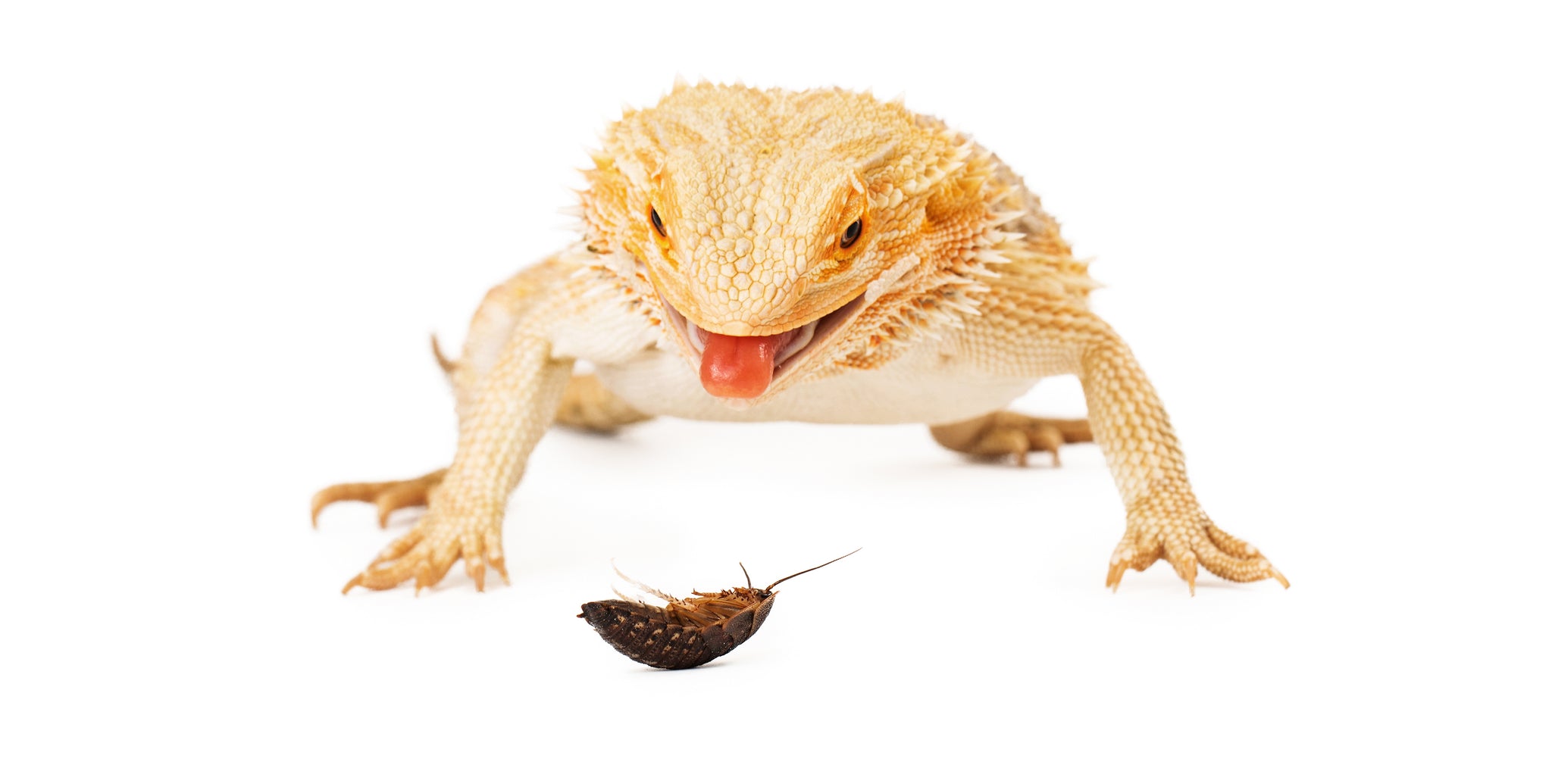
Bearded Dragon
-
Hypo Bold Citrus Bearded Dragons
Price range: $99.99 through $229.00Select options This product has multiple variants. The options may be chosen on the product page -
-
Hypo Genetic Stripe Bearded Dragons
Price range: $79.00 through $185.00Select options This product has multiple variants. The options may be chosen on the product page -
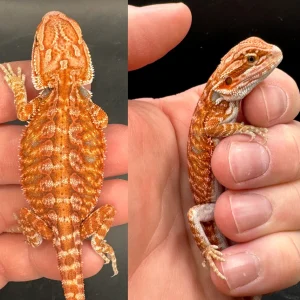
Red Hypo Leatherback Fire Bearded Dragon
Price range: $120.00 through $319.00Select options This product has multiple variants. The options may be chosen on the product page -
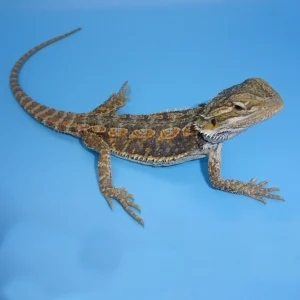
Blue Bar Bearded Dragons
$85.00Select options This product has multiple variants. The options may be chosen on the product page -
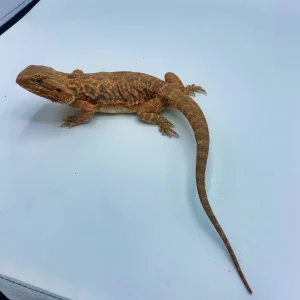
Red Leatherback Bearded Dragons
Price range: $115.00 through $275.00Select options This product has multiple variants. The options may be chosen on the product page
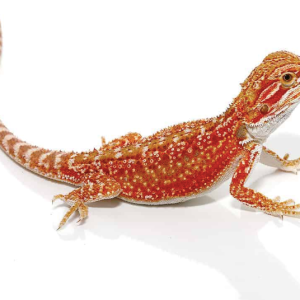
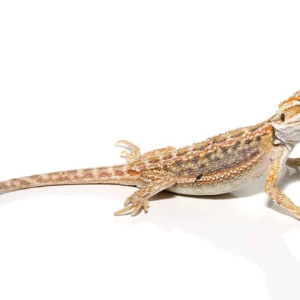
Bearded Dragon Diet Basics: Omnivores with Specific Needs
Bearded dragons are omnivores—they eat both plants and animals. Their natural diet in the Australian outback includes insects, flowers, leaves, and occasional small vertebrates. In captivity, we replicate this with a balanced mix of:
- Insects (protein and fats)
- Dark leafy greens and vegetables (fiber, vitamins, calcium)
- Fruits (occasional treats for hydration and variety)
The exact ratio changes dramatically as they grow. Juveniles need more protein for rapid growth, while adults thrive on mostly plant matter to avoid obesity.
Pro Tip: Always offer fresh food daily and remove uneaten insects after 10–15 minutes to prevent bites or stress.
Bearded Dragon Food by Age: Juveniles vs. Adults
Diet shifts with age to match their changing metabolism.
- Hatchlings & Juveniles (0–12 months): 70–80% insects + 20–30% greens/veggies. Feed insects 3–5 times per day.
- Sub-adults (12–18 months): Transition to 50% insects + 50% plants.
- Adults (18+ months): 20% insects + 80% plants. Insects only 3–4 times per week.

Best Insects for Bearded Dragons (The Protein Powerhouse)
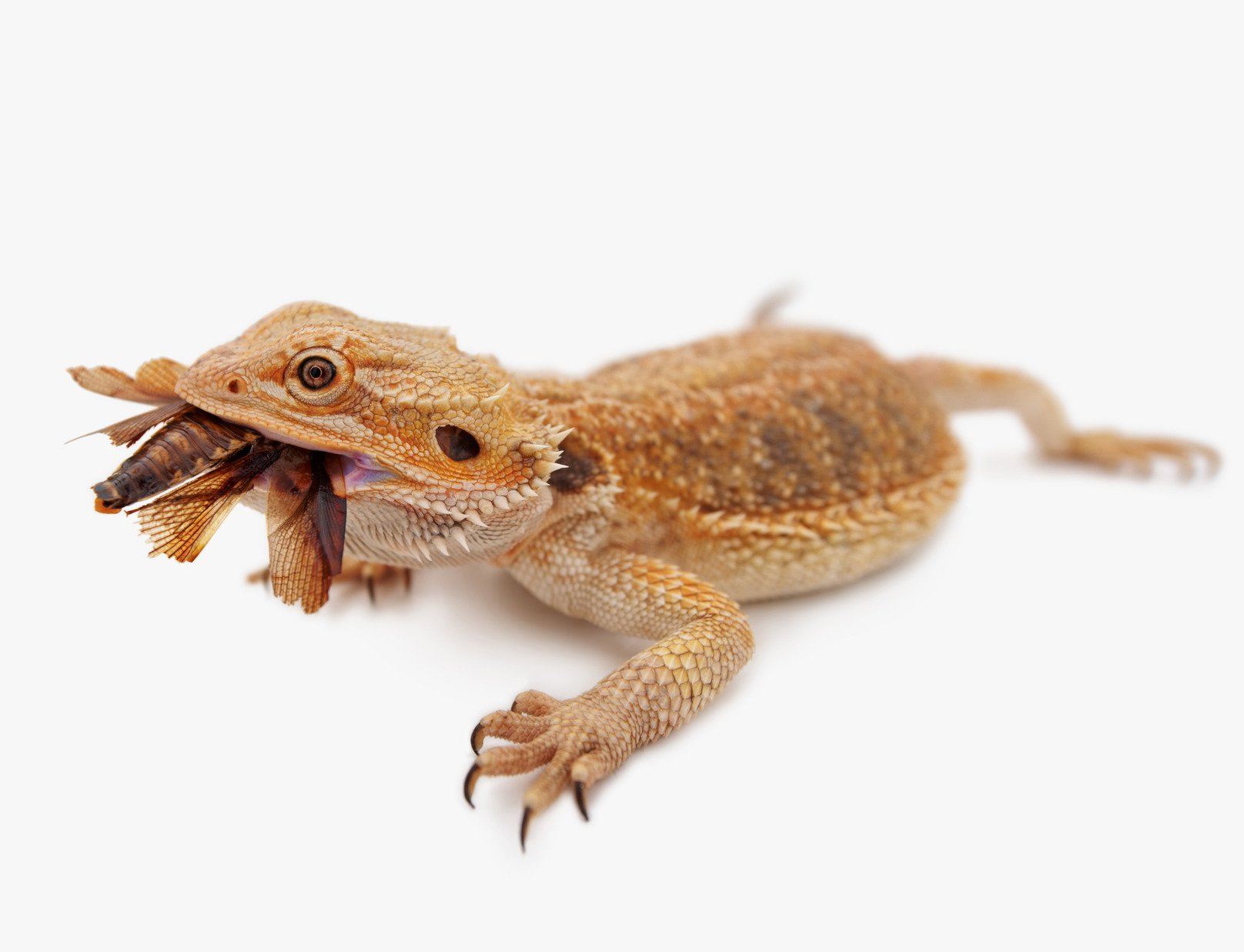
Insects are the cornerstone of a young beardie’s diet and a key supplement for adults. Always gut-load insects 24–72 hours before feeding (feed them high-calcium veggies or commercial gut-load diets).
Top Staple Insects (Safe Daily/Regular Use)
- Dubia roaches – High protein, low fat, easy to breed and gut-load.
- Crickets – Affordable and stimulating, but noisy and can bite.
- Black soldier fly larvae (phoenix worms) – Excellent calcium-to-phosphorus ratio.
- Silkworms & earthworms – Great occasional variety.
Occasional/Treat Insects
- Mealworms, superworms, waxworms (high fat – limit to 1–2x/month).
Never feed: Wild-caught bugs, fireflies (toxic), or too many fatty worms.

Best Vegetables & Leafy Greens for Bearded Dragons
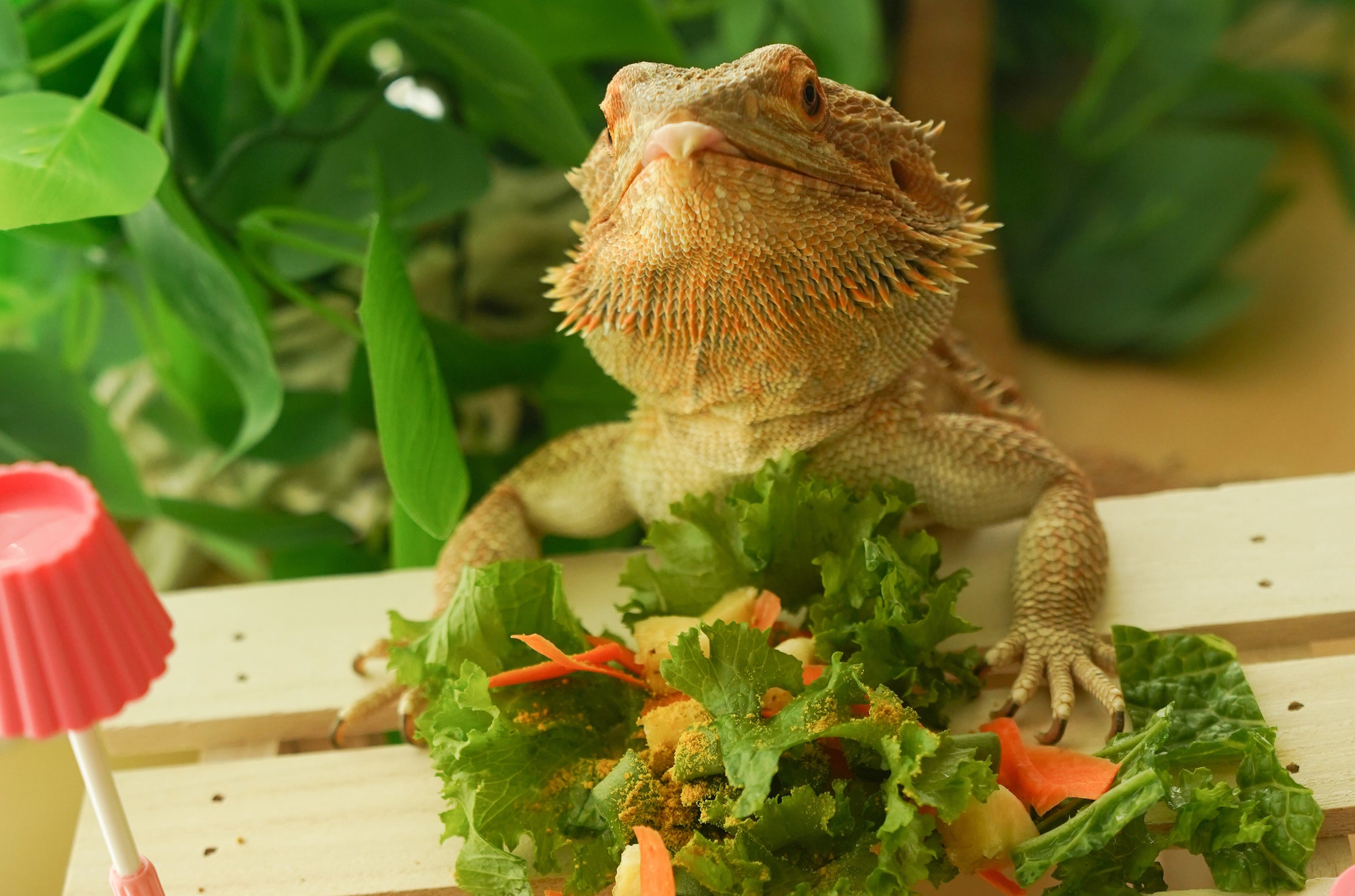
Greens should make up the bulk of an adult’s diet. Offer a chopped “salad” mix daily in a shallow dish.
Daily Staple Greens (High Calcium, Low Oxalates)
- Collard greens
- Mustard greens
- Turnip greens
- Dandelion greens
- Endive / Escarole
- Arugula / Rocket
- Bok choy
Occasional Veggies (2–3x/week)
- Zucchini, butternut squash, bell peppers, carrots (shredded), sweet potato, broccoli.
Pro Tip: Chop or shred veggies finely for easier eating and better nutrient absorption.

Helpful visual chart:
:strip_icc()/Feeding-bearded-dragons-leafy-green-vegetables-1238411-10e2bbcef895462db0beb9b79fc5e5c0.jpg)
Fruits as Occasional Treats (5% or Less of Diet)
Fruits add hydration and variety but are high in sugar. Offer 1–2 times per week in small amounts:
- Apple, banana, mango, papaya, berries, watermelon, figs.
Avoid citrus (too acidic) and limit high-sugar options.
Foods to NEVER Feed Your Bearded Dragon
Some foods are toxic or cause serious health issues:
- Avocado, rhubarb – Toxic.
- Onion, garlic, mushrooms – Harmful to organs.
- Iceberg lettuce – No nutrition, causes diarrhea.
- Spinach, beet greens, Swiss chard – High oxalates block calcium absorption (use sparingly).
- Fireflies, wild insects – Can be deadly.
- Processed human food (bread, cheese, meat) – Poor nutrition and digestive risk.
Safe Food Chart for Quick Reference:

Essential Supplements & Gut-Loading (Prevent MBD!)
Insects are naturally low in calcium, so supplementation is non-negotiable.
- Calcium powder (no D3): Dust insects and greens at every feeding.
- Calcium with D3: 2–3 times per week (or less if you have strong UVB lighting).
- Multivitamin: Once or twice per week.
- Gut-loading: Feed insects nutritious food 24+ hours prior.
Proper UVB lighting (10–12% bulb, replaced every 6–12 months) helps your dragon produce its own vitamin D3.

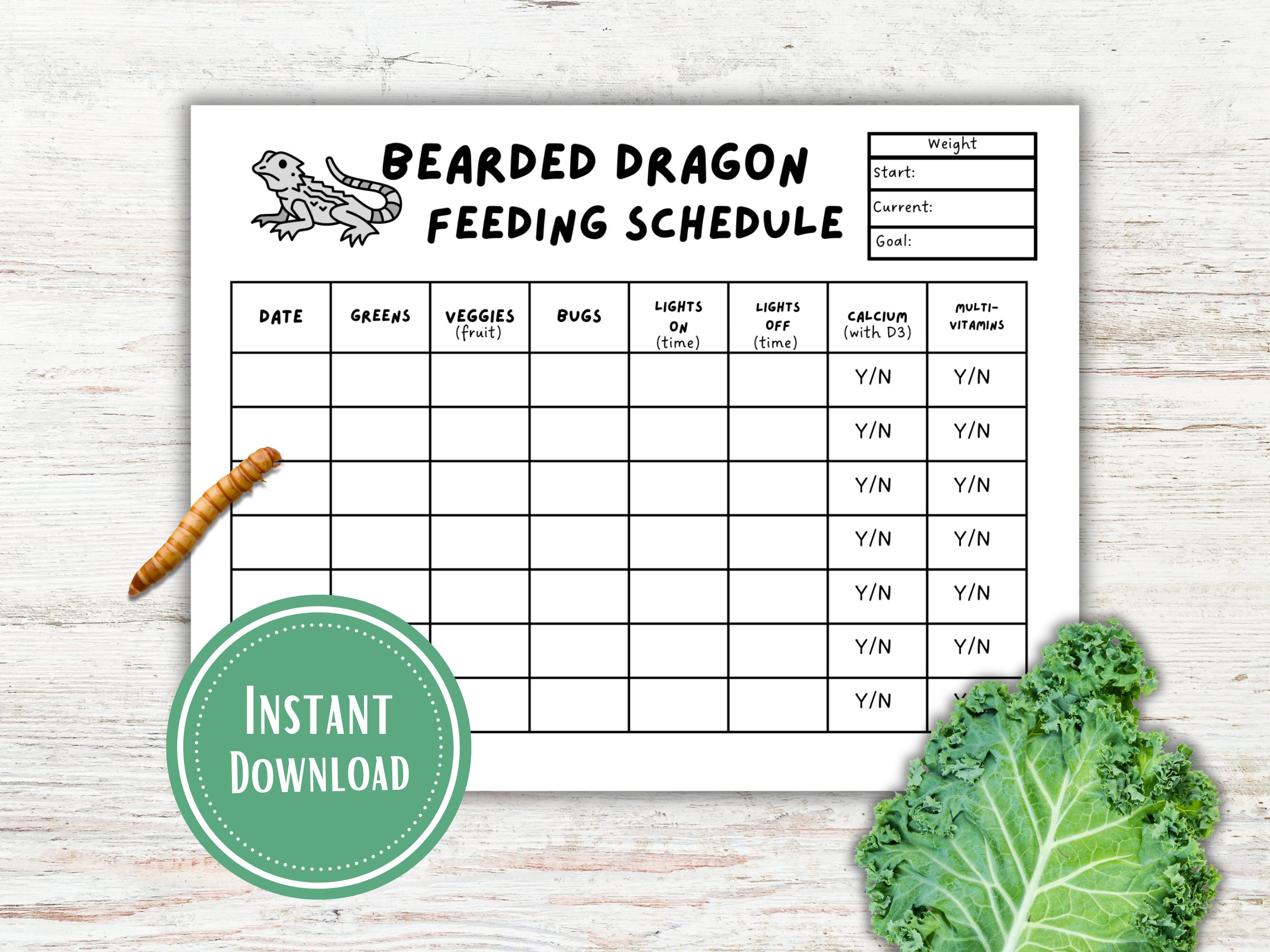
Bearded Dragon Feeding Schedule
| Age Group | Insects | Salad/Greens | Feeding Frequency | Notes |
|---|---|---|---|---|
| Hatchlings | 70–80% of diet | Daily mix | 3–5x daily | Small portions |
| Juveniles | 50% of diet | Daily mix | 2–3x daily | Transition period |
| Adults | 20% of diet | Daily mix | Insects 3–4x/week | Monitor weight |
Portion rule: Insects should be no larger than the space between your dragon’s eyes.
Common Feeding Mistakes to Avoid
- Overfeeding insects to adults → obesity.
- Skipping supplements → metabolic bone disease.
- Using only one type of green → nutrient deficiencies.
- Feeding cold food straight from the fridge.
- Not providing fresh water daily (beardies often prefer misting or drips).
FAQ: Bearded Dragon Food Questions Answered
Q: Can bearded dragons eat bananas? A: Yes, but only as a rare treat (high sugar).
Q: How often should I feed my adult bearded dragon? A: Salad daily + insects 3–4 times per week.
Q: Do I need to dust every insect? A: Yes – calcium at every feeding is the gold standard.
Q: What’s the best feeder insect? A: Dubia roaches win for nutrition, ease, and odor control.
Final Thoughts: Feed Right, Watch Them Thrive
A well-balanced bearded dragon food plan is the foundation of your pet’s happiness and health. By following this guide, offering variety, proper supplements, and fresh water, you’ll enjoy a vibrant, active beardie for years to come.